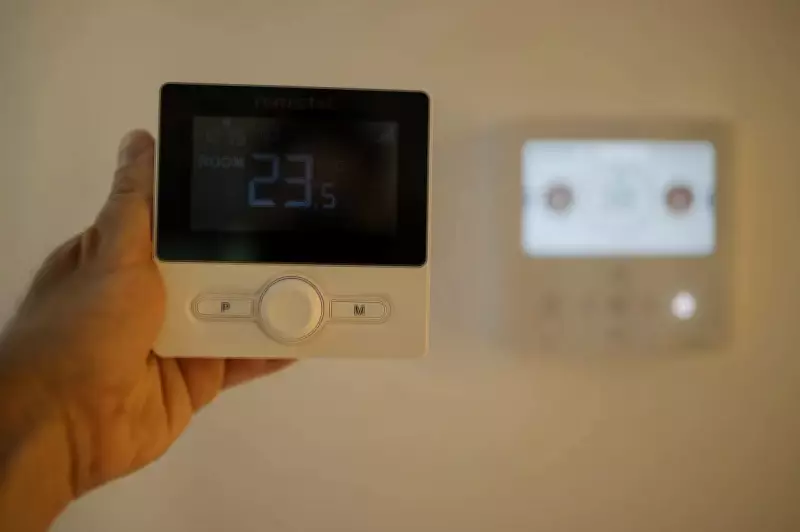
When midsummer heat settles over the neighborhood, our homes become a refuge. We picture walking through the front door after a long day in the blazing sun, dropping our bags, and instantly feeling a wave of crisp, cool air wash over us. For many families, central air conditioning helps keep indoor life comfortable during hot weather. It is incredibly easy to get into the habit of grabbing the remote or walking over to the hallway control panel to crank the cooling settings down as low as possible, assuming that a freezing indoor environment is the only true way to beat the seasonal heat.
However, setting the thermostat too low can strain the system and raise energy costs. Running a cooling system at maximum capacity for months on end can place a massive amount of stress on the equipment while causing monthly utility expenses to skyrocket unexpectedly. Many people harbor a quiet anxiety when opening their energy bills during July and August, wondering if there is a way to stay comfortable without breaking the bank. Fortunately, a closer look at residential cooling habits shows that making a few thoughtful adjustments to your climate routine can deliver substantial savings without forcing your family to sit in a sweltering house.
Redefining the Ideal Numbers on Your Household Control Panel
To figure out the absolute best way to manage indoor climate settings during the warmest months of the year, it helps to understand how a standard cooling system interacts with the environment outside. The U.S. Department of Energy recommends ways families can adjust cooling habits to save money. The agency explains that setting the thermostat very low when you arrive does not cool rooms any faster. Instead, it simply forces the machinery to run at its maximum pace much longer than necessary, driving up expenses and creating an uncomfortably cold environment that nobody actually enjoys.

The key idea is to reduce the temperature difference between your home and the outdoors. In the Spring and Summer Energy Saving Tips guide provided online by the federal government, environmental experts emphasize that the smaller the gap between the indoor and outdoor temperatures, the lower your total monthly bill will be.
According to these guidelines, you should keep your home at a warmer, steady temperature while you are out or asleep, then lower it to a comfortable level when the family is home. Following this advice can keep the home comfortable and reduce nonstop air-conditioning use during the day. Instead, maintain a smaller temperature difference between indoors and outdoors. Programmable thermostats and reducing indoor heat sources can significantly cut costs while keeping your home comfortably cool.
Smart Mechanical Habits for a Highly Efficient Summer Sanctuary
Maximizing cooling efficiency goes beyond choosing a thermostat setting; it also means keeping hot air out and cool air moving. The comprehensive Programmable Thermostats brief featured on the official federal energy saver website highlights that homeowners can save as much as ten percent a year on their climate expenses by simply shifting their settings back by seven to eight degrees for eight hours a day from their normal baseline. To make this easier, the department recommends using programmable thermostats, which automatically adjust the indoor temperature to your family's schedule.
In addition to automating your thermostat, reducing indoor heat sources can ease the load on smaller cooling systems like window units. The operational advice regarding Room Air Conditioners shared by the federal government warns against placing household appliances like large television sets or bright lamps directly next to your thermostat sensor. Because the sensor detects heat from these electronics, it can make the air conditioner think the room is warmer than it is and run longer than necessary.
You can improve efficiency by placing smart thermostats properly and following maintenance tips such as cleaning intake vents and sealing small gaps around windows.