Sentipulse and GSAI Unveil Open-Source SentiaAvatar Framework
In a significant development for the digital technology sector, Sentipulse and GSAI have jointly announced the launch of SentiaAvatar, the world's first interactive 3D digital human framework. This innovative platform is now available as an open-source tool, allowing developers and researchers worldwide to access and utilize its capabilities for creating highly realistic and responsive digital avatars.
Revolutionizing Digital Interactions with Advanced Technology
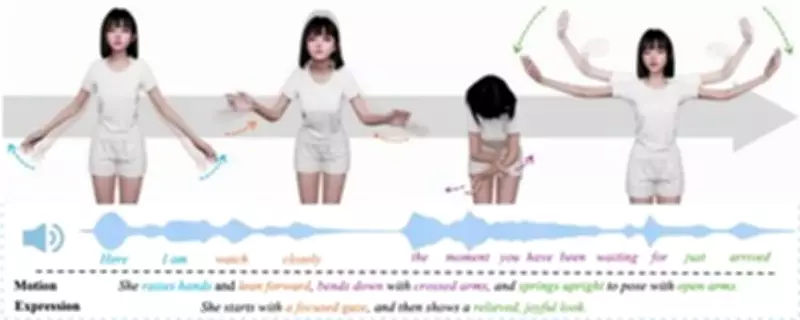
The SentiaAvatar framework leverages cutting-edge artificial intelligence and 3D modeling techniques to produce digital humans that can interact in real-time with users. These avatars are designed to mimic human expressions, gestures, and speech, making them ideal for applications in virtual reality, gaming, customer service, and educational simulations. By open-sourcing the framework, Sentipulse and GSAI aim to foster collaboration and innovation within the tech community, accelerating advancements in digital human technology.
Key Features and Benefits of the Open-Source Initiative
SentiaAvatar offers a range of features that set it apart from existing solutions. Its modular architecture allows for easy customization, enabling developers to tailor avatars to specific needs without extensive coding. The framework supports multiple platforms, including web, mobile, and VR environments, ensuring broad accessibility. As an open-source project, it provides:

- Free access to source code and documentation
- Community-driven development and support
- Enhanced security through transparent code review
- Opportunities for integration with other AI tools
This initiative is expected to lower barriers to entry for startups and small businesses, democratizing access to advanced digital human technology.
Implications for Industries and Future Developments
The release of SentiaAvatar as open-source has far-reaching implications across various sectors. In entertainment, it could revolutionize character creation in films and video games, while in healthcare, it might be used for virtual therapy sessions or medical training. Educational institutions could employ these avatars for interactive learning experiences. Sentipulse and GSAI have indicated plans for regular updates and community engagement to ensure the framework evolves with technological trends, potentially incorporating advancements in machine learning and real-time rendering.
This move aligns with a growing trend in the tech industry towards open collaboration, which often leads to faster innovation and more robust solutions. By making SentiaAvatar freely available, the companies hope to spur a wave of creativity and practical applications that could transform how humans interact with digital environments in the coming years.