Rise of Mule Accounts in Cyber Fraud
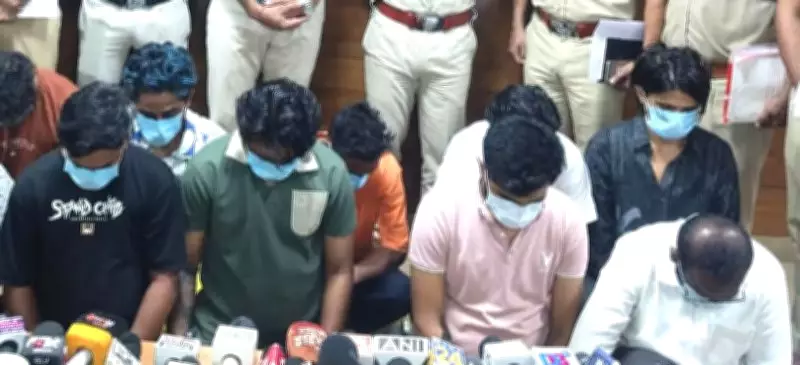
Cybercriminals are increasingly using mule accounts—bank accounts, SIM cards, and UPI IDs belonging to unsuspecting individuals—to launder money and conceal their identities, according to Rohtak Superintendent of Police Gaurav Rajpurohit. This method has become a major tool for large-scale online fraud across Haryana and the country.
Fraudsters target unemployed youth, students, homemakers, and those seeking part-time employment through social media, messaging apps, Telegram channels, and fake job portals. They lure victims with promises of work-from-home opportunities, commission-based assignments, and part-time jobs.
How Mule Accounts Operate
Once trust is established, victims are persuaded to share access to their accounts, ATM cards, and mobile numbers. In many cases, account holders receive a small payment for allowing their accounts to be used for financial transactions. These accounts then serve as conduits for transferring money obtained through cyber fraud, making it difficult for investigators to trace the actual criminals.

“These accounts are then used to transfer money obtained through cyber fraud from one account to another, making it difficult for investigators to trace the actual criminals. Mule accounts are later used in money laundering operations, investment scams, fake loan app frauds, online financial crimes, and even international cybercrime networks,” said SP Rajpurohit.
“In some instances, account holders may not even be aware that their accounts are being used for criminal activities. However, such accounts become part of criminal investigations, and the account holders may face questioning, scrutiny, or legal consequences,” he added.
Impact on Victims
Victims often unknowingly become part of criminal networks. The SP warned that there has been a sharp rise in cases where students and unemployed youth are lured by promises of easy money, leading to misuse of their bank accounts and digital identities. Many people unknowingly allow others to use their bank accounts, UPI IDs, or SIM cards, which can eventually land them in legal trouble.
Rajpurohit emphasized that no legitimate institution, company, or employer uses an individual’s personal account to conduct its financial transactions. If any person or organization offers such an arrangement, it should be treated as a warning sign of cybercrime.
Prevention and Reporting
The SP urged citizens to remain vigilant and avoid sharing banking or digital identity information with anyone. Suspicious banking activities, fake job offers, or any information related to mule accounts should be reported immediately. Victims or informants can contact the National Cyber Helpline at 1930, file complaints through the government’s cybercrime reporting portal, or approach the nearest police station.