Microsoft Veteran Rajesh Jha Announces Retirement After 35+ Years
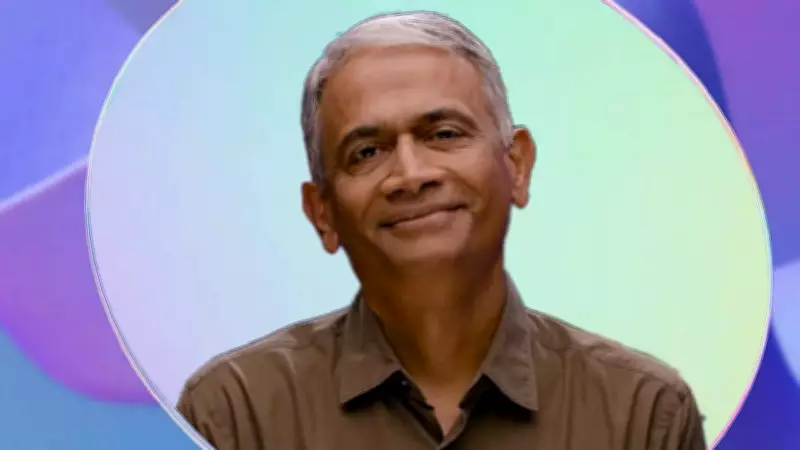
In a significant development at the technology giant, Rajesh Jha, the executive vice president leading Microsoft's Experiences + Devices division, has officially announced his retirement. The announcement was made on Thursday, March 12, through an internal memo shared with employees across the organization.
A Storied Career Spanning Over Three Decades
Jha has dedicated more than 30 years of his professional life to Microsoft, building an impressive legacy within the company. His most recent role placed him at the helm of one of Microsoft's most critical business units, responsible for overseeing the development and strategy of Windows operating systems, Surface hardware devices, and the comprehensive Microsoft 365 suite. This suite includes flagship productivity applications such as Word, Teams, Excel, and numerous other essential software tools used by millions globally.
According to the official communication, Jha will formally step down from his executive position on July 1 of this year. However, his departure from day-to-day operations will not mark a complete exit from the company. He has committed to remaining with Microsoft in an advisory capacity to facilitate a smooth and orderly leadership transition, ensuring continuity for the teams and projects under his purview.

CEO Satya Nadella's Heartfelt Tribute
Microsoft CEO Satya Nadella responded to the announcement with a deeply personal and appreciative message directed at Jha. Nadella described Jha as "a constant throughout my entire life at Microsoft," highlighting their long-standing professional relationship. He expressed profound admiration for Jha's unwavering commitment to his team, to customers, to product excellence, and to the company's broader mission.
Nadella further praised Jha's operational discipline and strategic decision-making capabilities, noting his ability to navigate complex challenges and emerge stronger. "That, to me, is what true leadership looks like," Nadella stated. He placed Jha among the pantheon of leaders who have fundamentally shaped Microsoft's trajectory, crediting him with helping build the foundation upon which the company's future growth will depend.
Leadership Succession and Promotions Announced
Jha revealed in his memo that he and CEO Satya Nadella have been meticulously planning this succession for some time. He expressed strong confidence in the next generation of leaders who will now report directly to Nadella. These include Perry Clarke, Charles Lamanna, Pavan Davuluri, and Ryan Roslansky, who will serve as Executive Vice Presidents.
Concurrent with his retirement announcement, Jha also disclosed a series of high-level promotions within the division:
- Jeff Teper has been promoted to Executive Vice President.
- Sumit Chauhan and Kirk Koenigsbauer have been elevated to the position of President.
Jha emphasized that the transition process will be carefully managed between now and June to finalize organizational structures, decision-making protocols, and operational rhythms. The goal is to maintain the current positive momentum and minimize disruption as the division prepares for the start of Fiscal Year 2027. He reassured teams that core priorities around strategic initiatives and products like Copilot remain unchanged.
Continuing Wave of Executive Changes
Rajesh Jha's retirement marks the second major departure of a senior Microsoft leader in recent weeks. Last month, the company announced the retirement of Phil Spencer, the long-time head of the Gaming division and the Xbox brand. Following Spencer's departure, Asha Sharma assumed leadership as the CEO of Microsoft Gaming, continuing a period of significant executive reshuffling at the top levels of the corporation.
In his farewell message to employees, Jha reflected on his tenure, calling it "an incredible privilege" to work alongside them in service to customers. His departure closes a chapter on a remarkable career that saw him influence some of Microsoft's most iconic and widely used products, leaving a lasting imprint on the company's culture and technological direction.