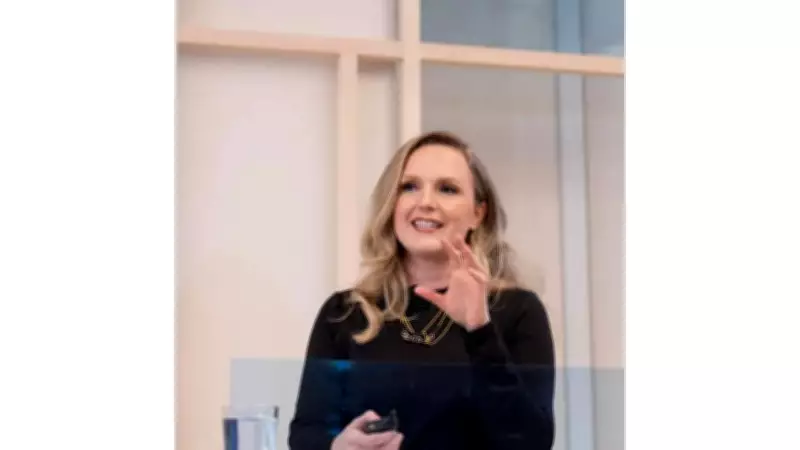
Meta Vice President Emily Dalton Smith is reportedly leaving the company, according to an internal memo seen by Reuters. Dalton Smith joined Meta in 2015 and served as vice president of product management. Two months ago, she was tapped to lead product work on improving internal AI tooling as part of Meta's sweeping restructuring.
Role in AI Transformation
The unit headed by Dalton Smith was central to Meta's Agent Transformation Accelerator (ATA) plan, which aims to develop AI agents capable of autonomously performing tasks currently handled by human staffers. Her team was responsible for building interfaces, platform components, memory systems, automations, and shared product experiences to make AI useful across the company. This included oversight of Metamate, Meta's enterprise AI assistant.
In a memo last month, Dalton Smith told employees the goal was to consolidate Meta's fragmented internal AI tools into Metamate, making it the starting point for everything from research to prototyping and sales presentations. Her team was also working to integrate features from Manus, a Singapore-based AI agent startup Meta acquired for $2 billion in December, though that deal was later ordered unwound by Chinese regulators.

Farewell Announcement
In her farewell announcement, Dalton Smith thanked colleagues and said she would remain briefly to help transition the team with CTO Andrew Bosworth. “Our goal was to make Metamate the starting point for all kinds of work,” she wrote earlier, adding that the changes were meant to empower employees with persistent memory, polished dashboards, and automated workflows.
Employee Unrest
Meta's restructuring plans sparked unrest among employees, who have criticized executives over layoffs, transfers, and introduction of mouse-tracking software seen as aiding the design of AI replacements. Dalton Smith's departure adds to the turbulence, as she was leading one of the most sensitive projects tied to the overhaul.
Zuckerberg's Confession
Meta CEO Mark Zuckerberg has a problem he can't memo his way out of. A month after Meta cut 8,000 jobs and reassigned another 7,000 people to AI work, morale inside the company sits at record lows, and the CEO's latest attempt to steady the ship landed with a thud. In an internal note seen by Reuters on Friday, Zuckerberg conceded that Meta has fumbled parts of its AI transformation and promised no more company-wide layoffs this year.
Then came the caveat that swallowed the reassurance. He didn't want to overpromise, Zuckerberg wrote, because the world is changing in ways out of his control. For the 70,000 employees still logged in—many of them watching colleagues get pulled into AI training work they didn't ask for—that hedge is the part that sticks. A no-layoffs pledge with an expiry date isn't really a pledge, and after a month of 4 a.m. termination emails, people have learned to read the fine print.