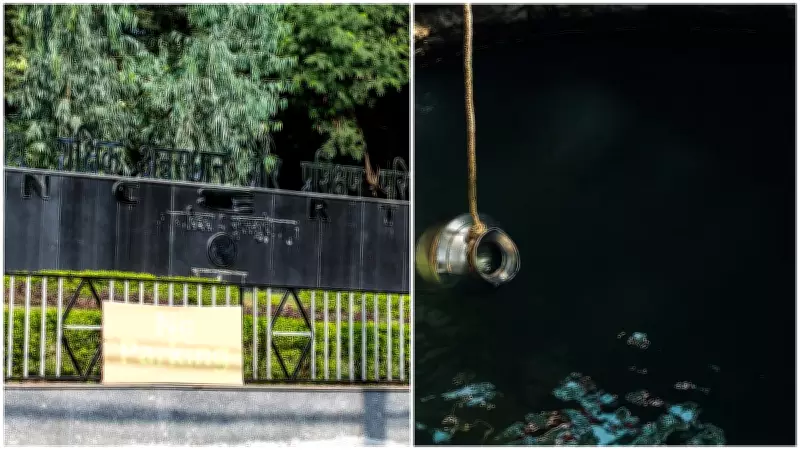
Karnataka has called upon the National Council of Educational Research and Training (NCERT) to include a dedicated chapter on groundwater in school textbooks, emphasizing the resource's critical importance to the nation. In an official letter, the state's groundwater directorate highlighted that groundwater is 'India's most critical freshwater resource' and that educating students about its science and management is essential for sustainable use.
Comparison with US Curriculum
The directorate pointed out that school curricula in the United States already include detailed lessons on groundwater systems. Topics such as aquifer behavior, permeability, porosity, groundwater flow, and contamination are part of standard science education there. Karnataka argues that Indian students should receive similar foundational knowledge to understand and address the country's growing water challenges.
Need for Awareness
Groundwater depletion and contamination are major issues in many parts of India. By introducing a chapter on groundwater, the NCERT can help create awareness among young learners about the importance of conservation, sustainable extraction, and prevention of pollution. The letter suggests that such education can empower future generations to tackle water scarcity effectively.

The request comes amid increasing stress on India's groundwater resources due to over-extraction for agriculture, industry, and domestic use. Experts believe that early education on groundwater hydrology and management can lead to more responsible usage and better policy decisions in the long run.
Karnataka's move is seen as a proactive step to integrate environmental science into the mainstream curriculum. The state hopes that NCERT will consider this proposal in the upcoming textbook revision process, aligning Indian education with global best practices.