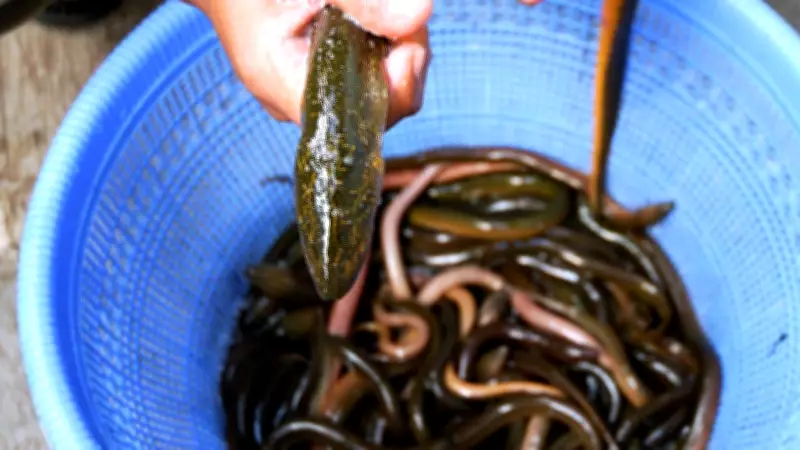
For the first time ever, Japanese shops are selling eel fish that were entirely bred and raised in captivity. This major breakthrough is expected to relieve pressure on wild eel populations, which are declining rapidly worldwide due to pollution, dams, and overfishing.
What is Eel?
Eel, known locally as Unagi, is a hugely popular delicacy in Japan, typically served grilled with a sweet, savory sauce. However, reproducing these fish in a lab without human assistance has been extremely challenging due to their complex life cycle.
What Studies Say
Japanese researchers first succeeded in hatching Japanese eels from eggs in 2010, but the cost was prohibitive—over a million yen per baby eel. Since then, collaboration among the government, universities, and private companies has drastically reduced costs through numerous technical improvements.

How Expensive Are These Eels?
In 2016, a single baby eel cost about 40,000 yen. Today, the cost has dropped to roughly 1,800 yen (about $11). While still three to four times more expensive than catching wild baby eels, officials believe it is time to test consumer response. The goal is to continue refining the technology to lower prices further.
The historic sale begins on May 29. A Tokyo department store, along with a few other outlets and online shops, will sell packages of two grilled Kabayaki eels raised by aquaculture company Yamada Suisan. The two-pack will cost around 9,000 yen (roughly $57). Although this matches the price of current high-end eel dishes, the company calls it a major step toward making sustainable eel a mainstream reality.
Finding a sustainable alternative is urgent. The International Union for Conservation of Nature lists both Japanese and American eels as endangered, while European eels are critically endangered. Despite the species' risk, a global wildlife forum recently rejected an EU proposal for tighter eel trade protections, facing opposition from top consuming nations, led by Japan, where the love for eel runs deep.