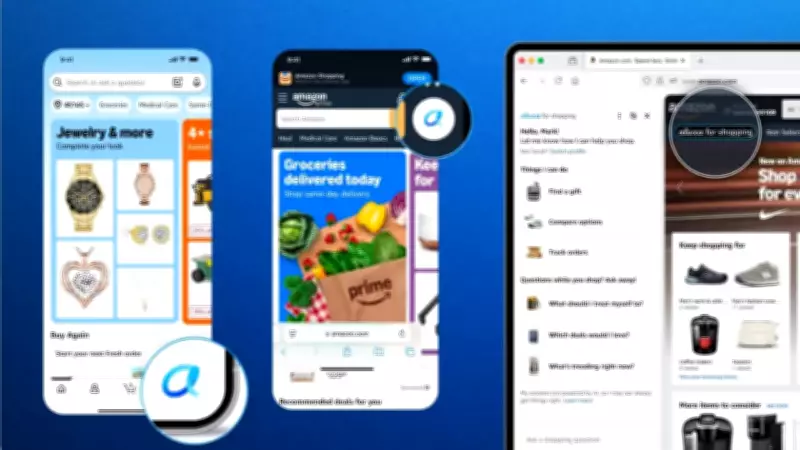
Amazon has introduced a new artificial intelligence (AI)-powered shopping assistant called Alexa for Shopping, replacing its Rufus chatbot as the company expands AI's role across its shopping ecosystem. The assistant is initially rolling out to US users on the Amazon Shopping app, website, and Echo Show devices, combining Rufus' product search and comparison capabilities with Alexa+’s broader conversational features.
Personalized Shopping Experience
According to Amazon, the move is designed to create a more personalized shopping experience by integrating customer purchase history, browsing behavior, Alexa conversations, and device preferences into a single AI assistant. In a blog post, Rajiv Mehta, Vice President of Conversational Shopping at Amazon, stated, “Alexa for Shopping is like having an expert personal shopper who already knows you and remembers your preferences, your past purchases, and your conversations, and carries that knowledge and understanding of you across your phone, laptop, and Echo devices.”
Key Features of Alexa for Shopping
The new assistant replaces Rufus as Amazon’s primary conversational shopping tool and adds a wider set of AI-driven features beyond product recommendations. Users can now ask shopping-related questions directly in the main Amazon search bar without opening a separate chatbot interface. The assistant can answer general queries, compare products, track previous orders, and provide shopping suggestions using conversational prompts.

Alexa for Shopping can also compare products side by side, generate AI summaries for product categories and listings, and display up to one year of price history for eligible items. The assistant is designed to work across multiple devices, allowing conversations started on Echo speakers or Echo Show devices to continue on the Amazon app or desktop website, with Alexa retaining context from previous interactions.
Automated Shopping Tasks
One of the major additions is Scheduled Actions, which enables users to automate routine shopping tasks. Customers can ask Alexa for Shopping to reorder household essentials, monitor price drops, or suggest gifts ahead of birthdays and holidays. For example, users can create prompts such as: “Add this sunscreen to my cart if the price drops to $10 and I haven't purchased it in the last two months.” The assistant can also search past orders and add recurring products to carts using conversational instructions like “add my regular dog treats” or “add my favorite protein bars to my cart.”
Expansion Beyond Amazon Marketplace
Amazon is also expanding shopping beyond its own marketplace. Through a feature called Shop Direct, Alexa for Shopping can surface products from external retailers, while the Buy for Me AI feature can complete purchases using saved payment and address information for eligible items. The rollout further ties Amazon’s shopping platform into its wider Alexa ecosystem. Information shared with Alexa-enabled devices can influence shopping recommendations, while browsing and purchasing activity on Amazon can improve Alexa responses elsewhere.
The company says users will also be able to browse and shop the full Amazon store directly on Echo Show devices using voice, touch controls, or both. In addition to shopping tools, Alexa for Shopping can hand users off to Alexa+ for tasks unrelated to commerce, such as smart home controls, entertainment, or reminders.
Broader AI Push
The launch reflects Amazon’s broader push into generative and agentic AI tools as major technology companies compete to integrate AI assistants more deeply into consumer services. Rufus, which Amazon says helped more than 300 million customers research and purchase products in 2025, focused primarily on shopping-related questions. Alexa for Shopping extends that functionality into a more connected assistant that remembers context and automates tasks across devices and shopping sessions.
The feature will roll out to all US customers over the coming week. Amazon said the assistant will be available for free to signed-in users, without requiring an Echo device, Prime subscription, or separate Alexa app.