Vinesh Phogat Raises Concerns Over Haryana's Sports Infrastructure
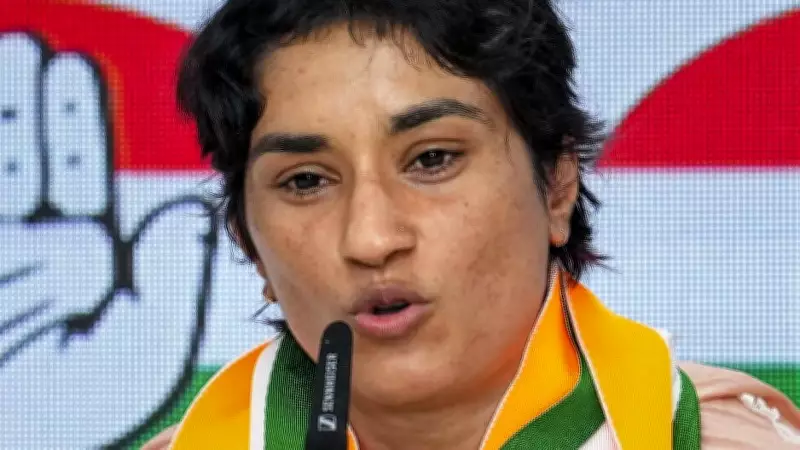
In a compelling address during the discussion on the governor's speech in the Haryana Legislative Assembly, Congress Member of Legislative Assembly Vinesh Phogat delivered a pointed critique of the state government's approach to supporting athletes. Representing the Julana constituency in Jind district, Phogat, who is also a celebrated wrestler, emphasized the glaring gap between the high expectations placed on Haryana's sportspeople and the inadequate resources provided to them.
High Expectations Versus Inadequate Support
Phogat articulated that during major international sporting events such as the Olympic Games, the entire nation looks to athletes from Haryana to bring home medals, a feat they consistently achieve through sheer determination and hard work. However, she underscored that this success often comes despite a lack of essential facilities and support systems from the state authorities. The government expects medals but fails to deliver the required infrastructure, training amenities, and overall environment necessary for athletes to excel at the highest levels.
Her remarks shed light on a critical issue facing the sports community in Haryana, a state renowned for producing top-tier athletes across various disciplines. Phogat's dual perspective as both a politician and an elite athlete lends significant weight to her arguments, highlighting the practical challenges faced by competitors on the ground.

Calls for Improved Facilities and Recognition
In her assembly speech, Phogat did not merely point out deficiencies but implicitly called for a more robust and proactive approach from the Haryana government. She stressed the need for enhanced sports facilities, better funding, and comprehensive support programs to nurture talent from the grassroots level upward. The current scenario, where athletes are left to fend for themselves in many aspects, undermines their potential and the state's reputation as a sports powerhouse.
This discussion comes at a time when India is increasingly focusing on sports development, with athletes from Haryana playing a pivotal role in the country's international achievements. Phogat's intervention serves as a reminder that sustained success requires consistent investment and attention to the welfare of sportspeople, beyond just expecting results during high-profile events.
As the debate continues, stakeholders are likely to monitor how the Haryana government responds to these concerns, with potential implications for future sports policies and athlete support mechanisms in the state.