Iran's Public Hanging of Teen Wrestling Star Ignites International Fury
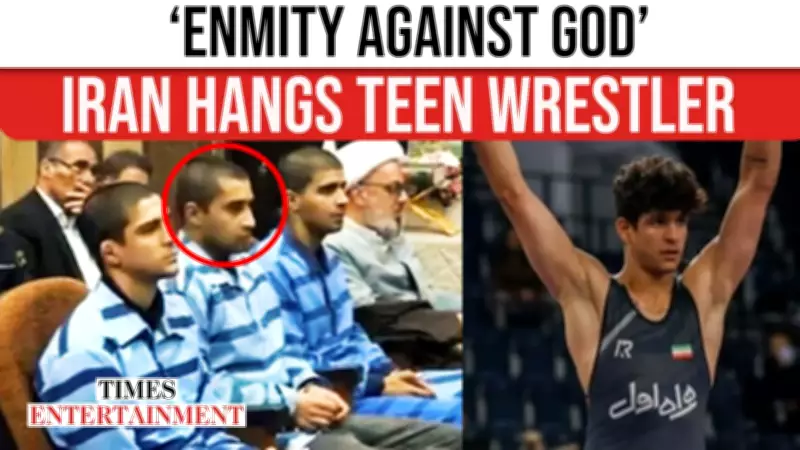
Iran has ignited a firestorm of global condemnation following the execution of 19-year-old wrestling champion Saleh Mohammadi in a public hanging on March 20, 2026. The young athlete was put to death alongside two other men, Mehdi Ghasemi and Saeed Davoudi, all of whom were arrested during the anti-regime protests that swept the nation in January.
Charges and Convictions Under Scrutiny
According to reports from Iran's judiciary-linked Mizan News Agency, the trio was convicted of killing two police officers during the unrest. This led to their being charged with "enmity against God," a severe accusation under Iranian law that carries the death penalty. The executions were carried out swiftly, drawing immediate attention from human rights organizations worldwide.
However, the official narrative has been met with fierce skepticism and allegations of grave injustices. Multiple human rights groups have come forward with claims that the men were subjected to torture while in custody, forced into making confessions under duress, and systematically denied access to fair trials. These allegations have intensified the international criticism directed at Tehran, raising profound concerns about Iran's judicial processes in cases linked to political dissent and public demonstrations.

A Rising Star's Tragic Fall
The case of Saleh Mohammadi has particularly captured global attention due to his status as a promising young wrestler. His journey from a rising sports star to a condemned prisoner highlights the extreme measures employed by Iranian authorities against those involved in protest movements. The execution of a teenager, celebrated in athletic circles, has underscored the harsh realities faced by demonstrators in the country.
The international community has reacted with outrage, calling for transparency and accountability in Iran's handling of such cases. Critics argue that the executions represent a brutal crackdown on dissent, aimed at instilling fear and suppressing future protests. The incident has sparked renewed debates about human rights violations and the use of capital punishment for political offenses.
Broader Implications for Iran's Protest Response
This execution is not an isolated event but part of a broader pattern of severe responses to anti-government activism in Iran. The January protests, which led to the arrests of Mohammadi, Ghasemi, and Davoudi, were among the largest waves of dissent in recent years, addressing various socio-political grievances. The subsequent trials and executions have drawn scrutiny from global watchdogs, who question the legitimacy and fairness of the judicial proceedings.
As the world watches, the fate of Saleh Mohammadi serves as a stark reminder of the risks faced by those who challenge the regime. The wrestling champion's story has become a symbol of the ongoing struggle for justice and human rights in Iran, prompting calls for international intervention and reform. The controversy surrounding his execution continues to fuel discussions on the ethical and legal standards upheld by Iranian authorities in protest-related cases.