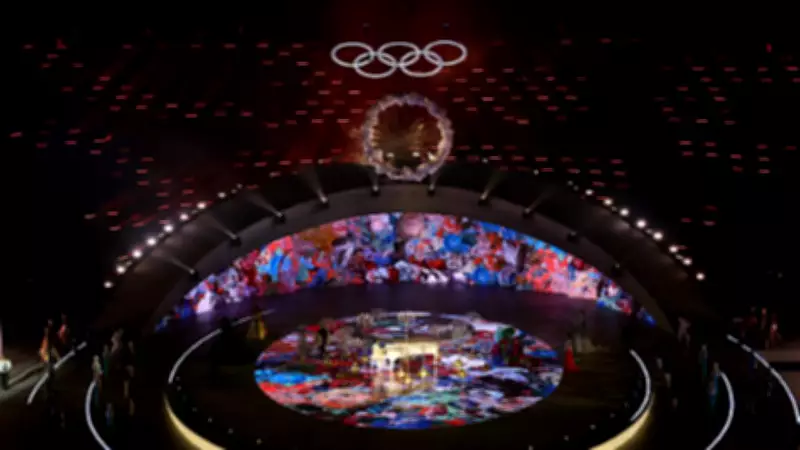
Milan-Cortina 2026 Winter Olympics Concludes with Spectacular Closing Ceremony and Strong Viewership
The 2026 Winter Olympics in Milan-Cortina officially concluded on February 22 with a vibrant closing ceremony that featured participants from around the world, capping off two weeks of intense athletic competition across various Italian venues. This grand finale not only celebrated athletic achievements but also signaled a remarkable recovery in global Olympic viewership following the pandemic-disrupted editions of recent years.
Record-Breaking Audience Numbers Across Multiple Platforms
Broadcasters throughout North America, Europe, and select Asian regions reported robust linear television audiences alongside unprecedented streaming engagement. This dual-platform success clearly demonstrates that worldwide enthusiasm for the Olympic brand has been revitalized after the challenges posed by previous pandemic-affected Games. In the United States specifically, rights holder NBCUniversal announced a dramatic turnaround from the 2022 Winter Olympics, with combined broadcast and streaming windows delivering some of the largest Winter Games audiences witnessed in more than a decade.
How Milan-Cortina 2026 Compares with Historic Closing Ceremony Audiences
Preliminary composite numbers indicate that the Milan-Cortina closing ceremony performed exceptionally well, particularly in the United States where strategic primetime scheduling and comprehensive digital coverage helped propel total viewership beyond 20 million people. This represents a striking increase from Beijing 2022 and marks the most-watched Winter Olympics closing ceremony in U.S. coverage since the Sochi 2014 Games.

However, it's important to note that global Olympic ratings have traditionally been dominated by Summer Games rather than winter editions. Both the 2008 Beijing Summer Olympics and 2012 London Summer Olympics attracted enormous worldwide audiences, benefiting from higher overall viewer participation, more extensive time zone compatibility, and record-breaking national ratings in host countries. Closing ceremonies typically attract slightly smaller audiences than opening ceremonies, which benefit from built-up anticipation and debut spectacle elements.
While Milan-Cortina's artistic production and celebratory athlete vignettes resonated strongly with European and North American audiences, creating what many described as a euphoric viewing experience, available global aggregates don't suggest it surpassed or even equaled the highest closing ceremony totals ever recorded—many of which predate the Summer Games phenomenon.
What the Numbers Reveal About the Future of Olympic Viewership
Although the Milan-Cortina closing ceremony didn't establish an all-time record, it highlights a broader resurgence for the Olympic movement. In sharp contrast to Beijing 2022, total Winter Games consumption surged significantly across both traditional television and streaming services, with digital viewing minutes reaching historic highs for any Winter edition.
NBCUniversal's hybrid distribution strategy—skillfully balancing primetime broadcast windows with extensive live streaming access—proved instrumental in driving this audience growth. European public broadcasters similarly reported higher engagement than in recent Winter cycles, as renewed interest in global live sporting events fueled increased viewer participation across multiple platforms.
The successful Milan-Cortina 2026 Winter Olympics demonstrates that innovative broadcasting approaches combined with high-quality athletic competition can effectively rebuild audience engagement following challenging periods for global sports events.