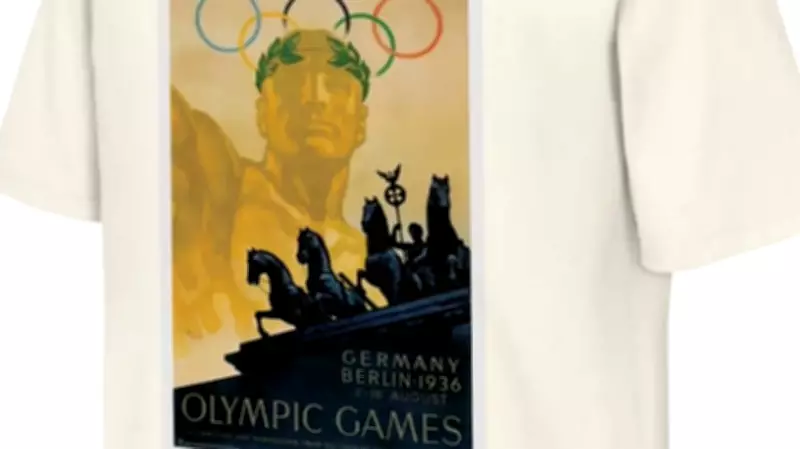
IOC Faces Backlash Over Trademark Protection in 'Nazi' Olympics T-Shirt Controversy
The International Olympic Committee (IOC) has sparked a significant stir by asserting its trademark rights in response to the sale of T-shirts referencing the 1936 Olympic Games, often termed the 'Nazi' Olympics. This move comes amid growing public debate over the historical and ethical implications of commercializing such a sensitive period in sports history.
Historical Context: Jesse Owens' Iconic Triumph
The 1936 Berlin Olympics are remembered not only for the athletic competitions but also for the profound political and racial tensions of the era. Black sprinter Jesse Owens emerged as one of athletics' most iconic figures by securing four gold medals at these Games. His remarkable achievements directly challenged and punctured the Nazi myth of Aryan racial superiority, a doctrine fervently promoted by Adolf Hitler and the Nazi leadership. Owens' victories were a powerful statement against discrimination, witnessed by top Nazi officials, and have since become a symbol of resilience and equality in sports.
Current Controversy: T-Shirt Sales and IOC's Stance
Recently, the sale of T-shirts commemorating or referencing the 1936 'Nazi' Games has caused a public uproar. Critics argue that such merchandise trivializes a dark chapter in Olympic history, while others see it as a form of historical education or free expression. In response, the IOC has emphasized its obligation to protect its trademark, stating that it must safeguard the Olympic brand from unauthorized commercial use. This position has led to mixed reactions, with some supporting the IOC's legal rights and others condemning it as insensitive or overly restrictive.

Broader Implications for Sports and Memory
This incident raises important questions about how historical events, particularly those tied to oppression and conflict, are remembered and commercialized in modern times. The IOC's actions highlight the ongoing tension between preserving the integrity of the Olympic movement and acknowledging its complex past. As discussions continue, stakeholders are calling for a balanced approach that respects both trademark law and the need for historical awareness.