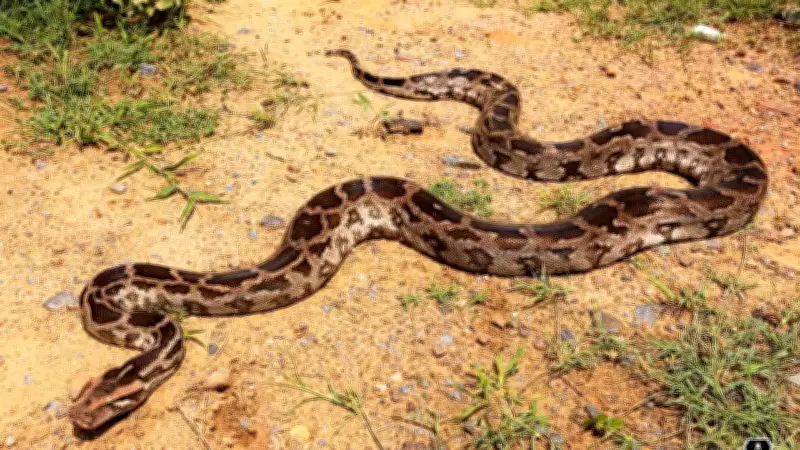
Among all reptiles on the planet, snakes are arguably the most intriguing due to their unusual features and the incredible sizes some species attain, shocking wildlife researchers. Various types of snakes can grow into truly huge reptiles found worldwide across forests, swamps, waterways, and tropical areas. While the majority of such snake species are non-venomous constrictors, their imposing nature makes them fierce predators in the wild. From gigantic pythons to monstrous anacondas, these snakes are ideal examples of reptile adaptation. Here are seven species of snakes that grow extremely long.
Reticulated Python – The Longest Snake in the World
Reticulated pythons are considered the longest snake species in the world. Native to Southeast Asian forests, they can reach sizes of over 20 feet long and even more than 30 feet in exceptional cases. The name "reticulated" comes from their net-like patterned skin covering. Despite their extreme length, this species is an outstanding swimmer and climber. As constrictors that do not secrete any venom, they strangle prey before eating it, preferring mammals and birds.
Green Anaconda – The Heaviest Giant Snake
Even though green anacondas cannot become the longest snakes, they are undoubtedly the heaviest snake species on the planet. These giant snakes inhabit swamps and rivers of South American countries and have bulky, muscular bodies built for hunting prey underwater. Individual snakes can grow to more than 20 feet and weigh several hundred kilograms. These snakes tend to hide underwater, waiting for their next meal.

Burmese Python – A Gigantic Southeast Asian Constrictor
Burmese pythons are non-venomous snakes native to Southeast Asia. With a bulky body structure and peaceful disposition, this species can regularly grow up to 15 to 20 feet long. Burmese pythons are mighty constrictors able to kill and eat large animals. In certain places, particularly in the United States, these snakes are considered invasive species.
African Rock Python – Africa's Biggest Snake
Being Africa's biggest snake, the African rock python is one of the largest and most formidable predators on that continent. These snakes can grow up to more than 20 feet long and have powerful muscles in their bodies, along with defensive habits toward intruders. Such snakes tend to live in forests, grasslands, wetlands, and even rocky areas. They kill their prey by constricting them tightly.
Indian Python – The Giant Indian Subcontinent Snake
The Indian python is a species known to be a huge non-venomous animal living in forests, grasslands, and wetlands in India and other parts of the Indian subcontinent. These snakes grow over 15 feet long and feature pale-brown patterns on their body. Indian pythons are generally slow yet excellent ambush hunters. Habitat destruction and illegal trade affect them severely.
King Cobra – The Biggest Venomous Snake in the World
As the longest venomous snake in the world, king cobras are native to forests in India and Southeast Asia. They can easily grow to more than 18 feet long. However, unlike constrictors, king cobras use venom to kill and eat prey. These snakes are particularly notorious for raising a large part of their body above the ground and opening their hoods when threatened. Their diet consists mostly of other snakes.
Amethystine Python – The Giant Rainforest Climber
The amethystine python, also known as the scrub python, is a giant snake that lives in tropical forests in Australia and neighboring islands. Some specimens can grow over 20 feet long. This snake differs from other python species by its relatively slender body structure. Moreover, the scales of these snakes have an iridescent shine on bright days.
Disclaimer: This article is for general informational and educational purposes only. The sizes, habitats, and behaviors mentioned here are based on commonly documented wildlife records and scientific observations. Snake lengths may vary depending on individual specimens, environmental conditions, and available research data. Readers are strongly advised not to approach, handle, or disturb wild snakes in their natural habitats. In case of snake sightings or wildlife emergencies, always contact trained wildlife authorities, forest departments, or professional rescue experts.