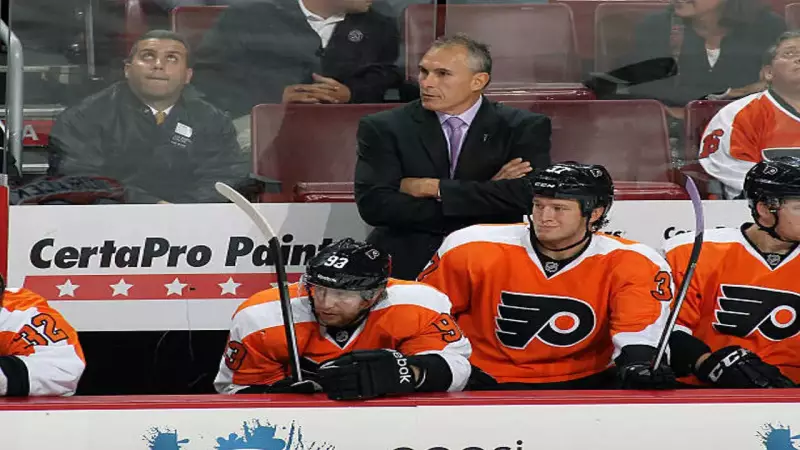
Former NHL enforcer Jay Rosehill has provided a fascinating and rare glimpse into the experience of playing under head coach Craig Berube. His firsthand account sheds light on why Berube commands such widespread respect across the National Hockey League.
The Berube Blueprint: Clarity Over Chaos
Rosehill paints a picture of a leader who does not rely on fiery, dramatic speeches or overly complex tactical systems. Instead, Craig Berube's approach is built on a foundation of clarity, brutal honesty, and unwavering structure. For professional athletes, this direct method can be incredibly refreshing, but it also places the onus of performance directly on the players in the locker room. They are given a clear roadmap, and the responsibility to follow it.
What stands out most in Rosehill's recollection is the sheer simplicity of Berube's hockey philosophy. It is not about catchy slogans or creating constant noise from behind the bench. The core tenets are preparation, accountability, and repetition. The focus is on doing the fundamental things correctly, time and time again. When an entire team fully buys into this mentality, it becomes visible in their defensive structure, their puck movement, and their game-to-game consistency.

Earn Your Freedom: The Berube Bargain
According to Rosehill, Berube's message is consistently anchored to a few core principles. "He just says we've got to show up, do the right things, work hard, and simplify our game," Rosehill explained. The expectations are straightforward: arrive prepared, compete relentlessly, play a direct north-south style, and win individual battles. Offensive zone time is to be built through sustained effort, not risky shortcuts.
This structural discipline, particularly in defensive positioning and without the puck, is non-negotiable for Berube. He demands sharp details in transition and seeks to build a team identity rooted in reliability. However, Rosehill highlights a crucial point: once that hard-working foundation is firmly established, Berube actually loosens the reins. Skilled, creative players are trusted to make plays and use their talent—but only after they have earned that right through consistent effort and adherence to the system. There is no micromanagement in the offensive zone; the rule is to do the hard work first, then let skill take over.
Accountability Lies in the Room
Rosehill's insight also touches on a common theme in professional sports: where to place blame when results are poor. He suggests that under a Berube system, failures are often more about execution and a lack of buy-in from the players than flaws in the coaching strategy itself. He has observed situations, including recent struggles with the Toronto Maple Leafs, where the coach bears the brunt of public criticism while the real issue may be whether the roster is fully committed to executing the demanded style of play.
Jay Rosehill's perspective carries significant weight because he lived this environment. He played under Craig Berube during the 2013-14 season with the Philadelphia Flyers organization. His testimony reinforces the coach's league-wide reputation: a straightforward, demanding leader who values structure, effort, and honesty above all, and who grants freedom to those who prove they are willing to do the gritty work required to win.