A major ownership change in the National Hockey League (NHL) always signals a shift in power dynamics. For the historic Pittsburgh Penguins franchise, this transition has now arrived, bringing with it a blend of anticipation and nervous energy among the fanbase. The team, celebrated for its rich legacy, is now under the new stewardship of the Hoffman family. Yet, the first burning question from supporters wasn't about ticket prices or new marketing initiatives. It was squarely focused on who would control the crucial hockey decisions and guide an iconic but aging roster into its challenging next phase.
Dubas Gets a Clear Mandate Amidst Uncertainty
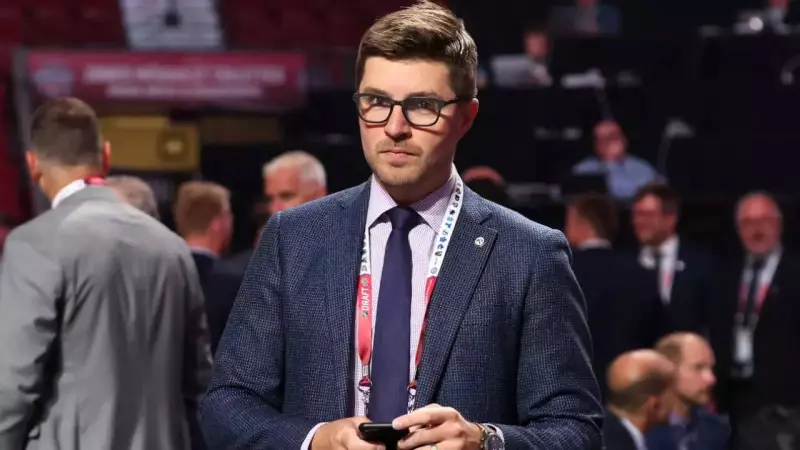
For President of Hockey Operations and General Manager Kyle Dubas, the timing of this ownership transition was exceptionally delicate. His tenure in Pittsburgh has been under intense scrutiny, influenced by the team's recent on-ice struggles and the long shadow of his previous role with the Toronto Maple Leafs. When a franchise is sold, top executives are often the most vulnerable. However, in this case, clarity emerged swiftly and decisively.
The Pittsburgh Penguins organization confirmed that Dubas will continue to lead the hockey operations department once the Hoffman family's purchase is formally completed. In a firm statement, the team declared he would "continue to set the vision and oversee all aspects of the team's on-ice strategy" in his dual leadership role. This public endorsement is significant, especially as the sale still awaits final approval from the NHL's board of governors.

The Challenge of an Aging Core and Tough Decisions Ahead
This show of support from the incoming ownership suggests a level of patience at a time when impatience would be an easy default. The reality is stark: Pittsburgh is no longer a young team in contention. Rebuilding around an older core of legendary players demands not just strategic planning but considerable nerve. With this mandate, Dubas appears to have been given the necessary runway to make difficult, potentially unpopular calls.
This could eventually include the reshaping of a roster built around icons like Evgeni Malkin and Sidney Crosby. Not long ago, the idea of moving such franchise pillars seemed unthinkable. Under the new ownership's directive for long-term health over short-term comfort, such transformative moves become possible, and perhaps even necessary. The backing from the Hoffmans empowers Dubas to steer the franchise through this inevitable transition when the time is right.
Fan Skepticism and the Road to Redemption
Despite the vote of confidence from the owners, translating that into trust from the stands is a separate battle. Penguins fans have endured several seasons of disappointment, watching playoff hopes slip away. Trust is fragile. Many remember Dubas's departure from Toronto, which was marked by playoff shortcomings, and some remain skeptical about whether his strategic vision aligns with Pittsburgh's unique circumstances and legacy.
The coming two to three years will be critical in judging this decision by the Hoffman family. For now, the theme is stability. By choosing continuity over immediate upheaval, the new owners have signaled a belief in the existing plan, one that requires time to unfold. Whether this belief is ultimately rewarded will depend less on reassuring press releases and more on tangible results, sustained patience, and a collective willingness to accept the hard choices that will manifest on the ice.
In summary, the Pittsburgh Penguins are entering a new chapter with familiar leadership at the hockey helm. Kyle Dubas has the written support to navigate the tricky waters ahead, but his true test will be winning over a skeptical fanbase and successfully transitioning a team from its glorious past to a competitive future.