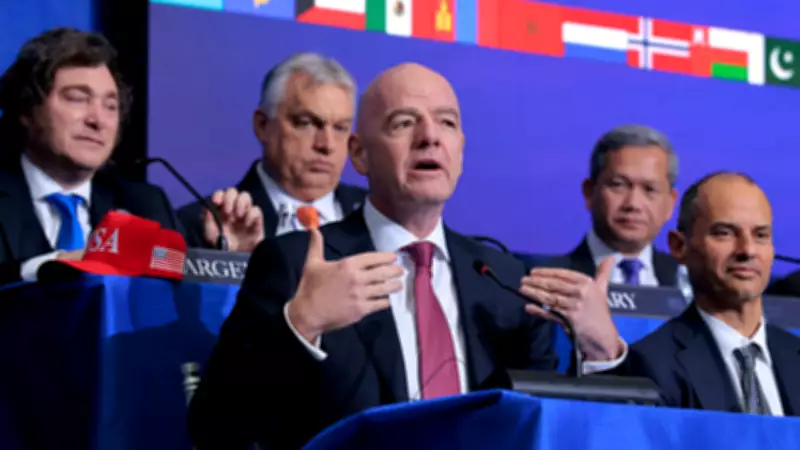
Historic Shift: FIFA World Cup 2026 Final to Introduce First-Ever Haltime Show
In a groundbreaking move that redefines football tradition, FIFA President Gianni Infantino has officially announced that the FIFA World Cup 2026 final will feature a halftime show for the very first time in the tournament's storied history. This landmark decision aims to transform the world's most-watched sporting event into a grand fusion of music and sport, setting a new global standard for entertainment.
MetLife Stadium to Host Unprecedented Spectacle
The historic match is scheduled to take place at the iconic MetLife Stadium in the United States, where the traditional 15-minute halftime break will be replaced by a meticulously crafted global spectacle. FIFA is stepping into uncharted territory by incorporating this entertainment element, directly inspired by the massive popularity of halftime shows in American sports, particularly the Super Bowl.
British band Coldplay and its lead singer Chris Martin have been enlisted to help design the performance, ensuring a high-profile artistic touch. However, Infantino emphasized that the show will not be limited to a single act; it will feature multiple top artists to create a diverse and captivating experience with worldwide appeal.

Bridging Music and Football Culture
Infantino elaborated on the vision behind this innovative step, stating that the goal is to elevate the final beyond a mere football match into a celebration of music and culture. "We want to make the final not only a sporting event but a cultural milestone that resonates globally," he explained. This approach mirrors the success of Super Bowl halftime shows, which have recently headlined megastars like Kendrick Lamar and Bad Bunny, drawing millions of viewers beyond traditional sports audiences.
The FIFA President also highlighted growing interest from global icons outside football, noting that celebrities such as Tom Brady and Shaquille O'Neal have shown enthusiasm for World Cup events. This cross-pollination of fame underscores FIFA's ambition to broaden the tournament's appeal and engage a wider demographic.
Learning from Past Challenges
Despite the excitement, halftime entertainment in football has faced criticism in the past. A notable example occurred during the 2017 DFB Cup Final, where a performance by German singer Helene Fischer was met with loud boos from fans who felt it disrupted the traditional match atmosphere. Fischer later responded that such reactions are part of an artist's journey, and she remained undeterred by the negative feedback.
FIFA acknowledges these historical challenges but believes the 2026 final will differ significantly due to its global scale and careful planning. The organization is confident that by integrating music seamlessly, it can enhance rather than detract from the football experience, creating a memorable event for both live attendees and television audiences worldwide.
Redefining the Football Experience
With this bold initiative, FIFA is actively redefining how fans experience the pinnacle of football. The introduction of a halftime show represents a strategic effort to modernize the sport, attract new viewers, and solidify the World Cup's status as a premier entertainment spectacle. As preparations unfold, all eyes will be on MetLife Stadium in 2026, where history will be made not just on the pitch, but during the break as well.