UEFA Champions League 2026 to Feature Simultaneous Kick-Offs for 18 Matches
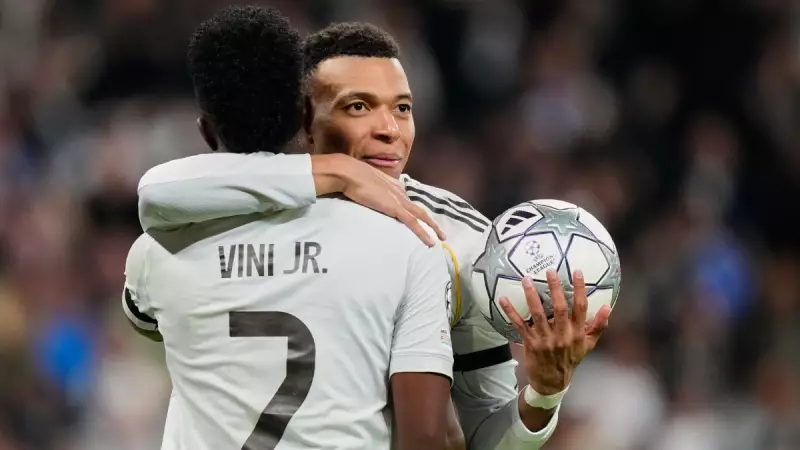
In a significant development for European football, UEFA has unveiled a new scheduling format for the 2026 Champions League season. This innovative approach will see 18 matches across the tournament kick off at the exact same time, marking a departure from the traditional staggered start times that fans have grown accustomed to over the years.
Rationale Behind the Simultaneous Start Times
The decision to implement this simultaneous kick-off strategy is rooted in several key factors aimed at improving the overall integrity and excitement of the competition. With the Champions League expanding to include more teams and matches, UEFA officials have emphasized the need for a fairer playing field. By having multiple matches begin concurrently, the risk of teams gaining an unfair advantage from knowing the results of other games is significantly reduced. This move is expected to foster a more competitive environment where every team must focus solely on their own performance without external distractions.
Furthermore, this scheduling change is designed to enhance the viewing experience for football enthusiasts around the globe. With all matches starting at the same time, broadcasters can offer comprehensive coverage, allowing fans to follow multiple games simultaneously through various platforms. This could potentially lead to increased engagement and higher television ratings, as viewers are presented with a smorgasbord of top-tier football action in a single time slot.

Impact on Teams and Fans
The new format is likely to have profound implications for both participating clubs and their supporters. For teams, the simultaneous starts will demand heightened concentration and strategic planning, as they will no longer have the luxury of adjusting their tactics based on outcomes from earlier matches. Coaches and players will need to prepare for each game with a renewed sense of urgency and independence.
For fans, this change promises a more dynamic and immersive experience. The ability to switch between multiple high-stakes matches in real-time could create a festival-like atmosphere, reminiscent of major international tournaments. However, it may also pose challenges for those who prefer to follow a single team closely, as they might miss out on key moments from other concurrent games.
Logistical Considerations and Future Prospects
Implementing this new schedule will require meticulous coordination among various stakeholders, including broadcasters, stadium authorities, and security personnel. UEFA is expected to work closely with these entities to ensure a smooth transition and address any potential logistical hurdles. The success of this initiative in 2026 could pave the way for similar formats in other UEFA competitions, potentially revolutionizing how European football is consumed and enjoyed.
As the football world eagerly anticipates the 2026 Champions League, this bold scheduling move underscores UEFA's commitment to innovation and fairness. By aligning 18 matches to start simultaneously, the governing body is not only adapting to the expanded tournament structure but also setting a new standard for competitive integrity in the sport.