Mexico's President Guarantees Full Safety for 2026 FIFA World Cup Amid Cartel Violence
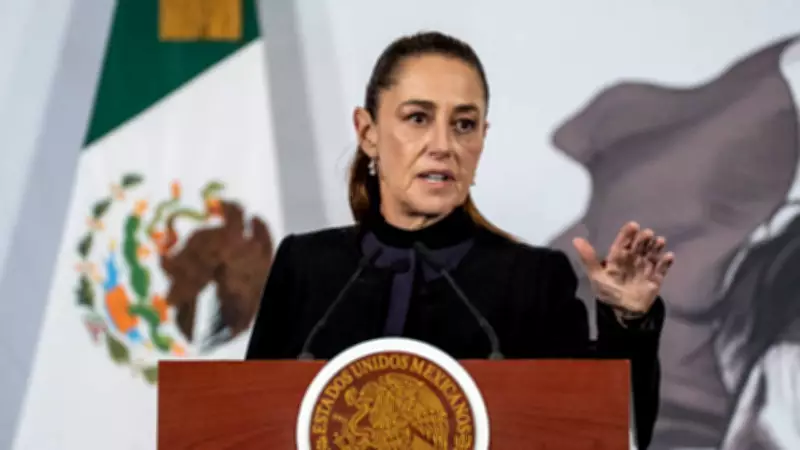
President Claudia Sheinbaum has moved decisively to address security concerns surrounding the upcoming 2026 FIFA World Cup, firmly stating that Mexico will ensure complete safety for all visiting fans and teams. Speaking at a recent news conference, Sheinbaum emphasized a comprehensive effort to coordinate federal and local security operations, specifically designed to shield tournament venues and key tourism zones from any potential threats.
Security Coordination Amid Recent Unrest
Her comments come in direct response to a surge in cartel violence in western Mexico, particularly in Jalisco state, where clashes between security forces and organized crime groups have intensified following targeted operations against criminal leadership. This violence has manifested in alarming incidents such as roadblocks, arson attacks, and even the disruption of local sporting events, raising questions about the stability of host regions.
Despite this chaos, Sheinbaum countered by highlighting that fans attending World Cup matches face no serious danger, asserting that public security strategies are already proving effective throughout designated host areas. Authorities have pointed to enhanced cooperation between federal forces and local police in maintaining order near major venues, including Guadalajara, which is set to be one of the primary host cities for the tournament.

FIFA's Confidence and Infrastructure Readiness
Sheinbaum's reassurances align closely with statements from the Fédération Internationale de Football Association (FIFA), which continues to monitor security conditions but has expressed strong confidence in Mexico's capabilities. FIFA officials have confirmed that tournament planning is proceeding on schedule, noting that despite localized unrest, the country has not experienced widespread disruption that would jeopardize the event.
The organization describes Mexico as a traditionally potent host nation with extensive experience in managing major sporting events, citing past successes. FIFA President Gianni Infantino has previously praised preparations across North America, calling the infrastructure development for the tournament "impressive" and urging ongoing cooperation between authorities and organizers.
Government officials have also denied any speculation about relocating matches, reaffirming that stadiums and transport corridors are secure. Mexico is scheduled to host 13 matches during the competition, including high-profile fixtures expected to draw large international audiences, making safety a top priority.
Comprehensive Safety Measures and Economic Benefits
To bolster security, Mexican authorities are implementing a multi-faceted approach that includes:
- Enhanced surveillance systems in stadium zones, hotels, and tourist districts.
- Deployment of rapid response units to address any incidents swiftly.
- Coordination with private security providers to ensure comprehensive coverage.
- Ongoing security monitoring throughout the tournament period.
Officials have stressed that they are doing everything possible to safeguard visitors, with preparedness efforts focused on minimizing risks. Beyond safety, local tourism sectors anticipate significant economic benefits from an influx of international tourists, which could boost the economy and showcase Mexico's hospitality on a global stage.
Despite concerns over recent violence, organizers remain optimistic, insisting that the tournament will proceed smoothly. This confidence signals faith in long-term planning and regional cooperation among the host nations—Mexico, the United States, and Canada—as they work together to deliver a successful and secure World Cup experience.