Manipur's Football: A Binding Force Under Threat Amid Growing Unrest
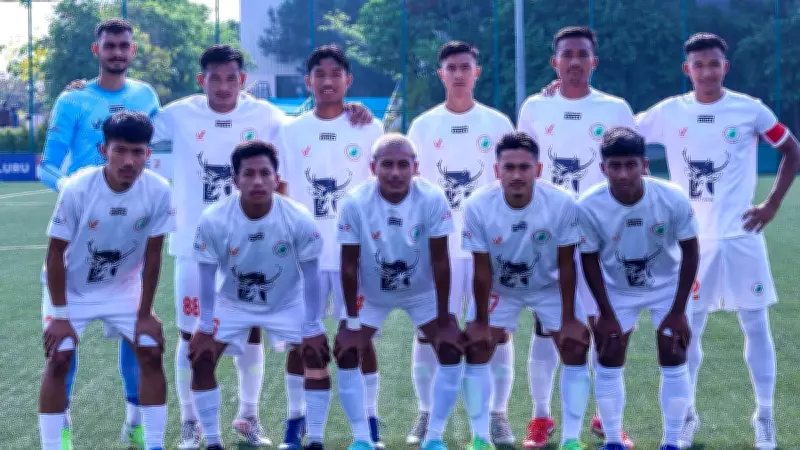
In the northeastern state of Manipur, football has long served as a powerful unifying force, bringing together diverse communities across ethnic and cultural lines. However, recent months of escalating unrest have left this vital social fabric in tatters, with the sport's infrastructure and leagues severely impacted. The conflict, which has led to widespread violence and displacement, is now threatening the very essence of football's role in fostering peace and cohesion in the region.
Infrastructure Damage and Disrupted Leagues
The unrest has taken a heavy toll on Manipur's football facilities. Key stadiums and training grounds have reportedly suffered damage or become inaccessible due to safety concerns. For instance, the Khuman Lampak Main Stadium in Imphal, a hub for local and national matches, has faced operational challenges, with events being postponed or canceled. This disruption extends to grassroots levels, where community pitches and youth academies are struggling to function, hindering the development of young talent.
Moreover, local football leagues, which are crucial for nurturing players and maintaining community engagement, have been thrown into disarray. The Manipur State League and other regional tournaments have experienced frequent interruptions, affecting teams' schedules and players' morale. This has not only stalled competitive play but also eroded the sense of normalcy that football typically provides in times of crisis.

Impact on Players and the I-League
Players from Manipur, who have historically been prominent in Indian football, are facing unprecedented challenges. Many are unable to train effectively or participate in matches, jeopardizing their careers and aspirations. The state has produced numerous talents for the I-League and Indian Super League (ISL), but the current situation risks stalling this pipeline of talent. Clubs based in Manipur, such as those in the I-League, are grappling with logistical issues, including travel restrictions and security concerns, which complicate their participation in national competitions.
Beyond the professional sphere, amateur and semi-professional players are also affected, with many forced to put their football dreams on hold. The psychological impact is significant, as the sport often serves as an emotional outlet and a source of hope in troubled times.
Football's Role as a Unifier in Crisis
Despite the challenges, football continues to hold symbolic importance in Manipur. Historically, matches have been occasions for communities to come together, transcending divisions and promoting dialogue. In the face of unrest, some local initiatives have attempted to use football as a tool for peacebuilding, organizing small-scale events to foster unity. However, these efforts are often hampered by the volatile environment, limiting their scale and effectiveness.
The situation underscores the broader role of sports in conflict zones. While football can be a binding force, its sustainability depends on stability and support. Stakeholders, including sports authorities and government bodies, are called upon to address the infrastructure gaps and ensure the sport's revival once peace is restored.
Looking Ahead: Challenges and Hopes for Recovery
The future of football in Manipur hinges on the resolution of the underlying unrest. Key steps for recovery include:
- Assessing and repairing damaged sports infrastructure to restore playing facilities.
- Resuming local leagues and tournaments to re-engage communities and players.
- Providing support for affected players, including training opportunities and mental health resources.
- Leveraging football's unifying potential in peace initiatives, with careful planning for safety.
As Manipur navigates this difficult period, the resilience of its football community offers a glimmer of hope. With concerted efforts, the sport may once again become a beacon of unity, but the path forward requires addressing both immediate disruptions and long-term structural issues.