Iran's World Cup Dreams Clouded by Geopolitical Tensions
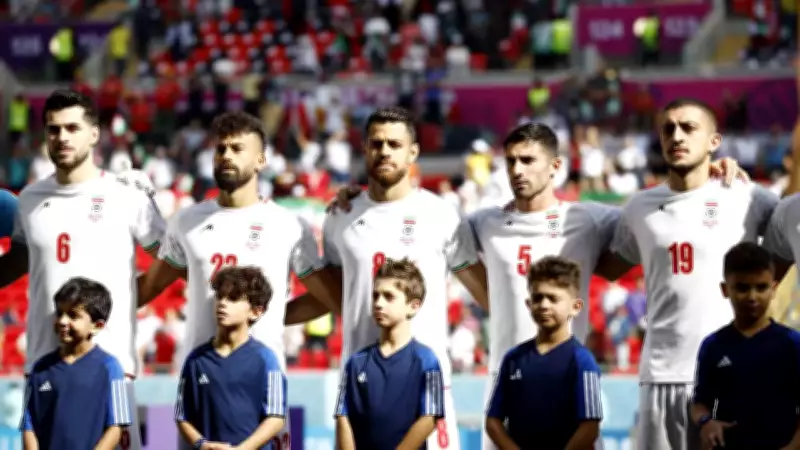
The head of Iran's football federation has raised serious concerns about the national team's potential participation in the upcoming FIFA World Cup, citing escalating military tensions with the United States and Israel as a major obstacle. Mehdi Taj, speaking to the sports portal Varzesh3, expressed deep uncertainty about Iran's ability to compete in the tournament scheduled for North America next year.
Security Concerns Overshadow Football Preparations
"What is certain is that after this attack, we cannot be expected to look forward to the World Cup with hope," Taj stated emphatically, referring to recent military strikes by US and Israeli forces against Iranian targets. The comments come as Iran engages in retaliatory strikes against Israel, marking a significant escalation in regional hostilities that began with earlier bombardments.
The football official's concerns are particularly poignant given Iran's scheduled matches in the United States. The team is placed in Group G and is set to face New Zealand on June 15 in Inglewood, California, followed by a match against Belgium on June 21, and finally Egypt on June 26 in Seattle, Washington.

Travel Restrictions Compound the Problem
Complicating matters further, Iranian fans already face significant barriers to attending matches in the United States. A travel ban implemented during the Trump administration remains in effect, preventing most Iranian citizens from entering the country to support their national team.
The tournament itself, co-hosted by the United States, Canada, and Mexico from June 11 to July 19, 2026, represents one of the most anticipated global sporting events. However, the current geopolitical climate threatens to disrupt Iran's participation entirely.
FIFA's Silence and Regional Implications
As of now, FIFA has not issued any official response regarding Iran's potential withdrawal or the security concerns raised by the Iranian football federation. The governing body faces a delicate diplomatic situation as it navigates the intersection of international sports and escalating military conflicts.
The military situation remains volatile, with the United States and Israel conducting a second day of attacks against Iranian targets this Sunday. These developments follow the recent death of Iran's top leader, Ayatollah Ali Khamenei, which has created significant uncertainty about the country's political future and increased the risk of broader regional conflict across the Middle East.
Broader Context and Historical Parallels
While the current situation focuses on Iran's World Cup participation, it's worth noting historical context in international cricket. In a separate development, cricket official Jay Shah recently emphasized that legendary Indian cricketer Kapil Dev deserves greater recognition for his role in India's historic 1983 World Cup triumph, highlighting how sports achievements often transcend political boundaries.
The uncertainty surrounding Iran's World Cup participation reflects how international sporting events can become entangled in complex geopolitical dynamics. As military tensions continue to escalate, the football world watches anxiously to see whether diplomacy can prevail to ensure all qualified teams can participate safely in the global tournament.