Iran Issues Sharp Rebuttal to Donald Trump's Safety Comments Before FIFA World Cup 2026
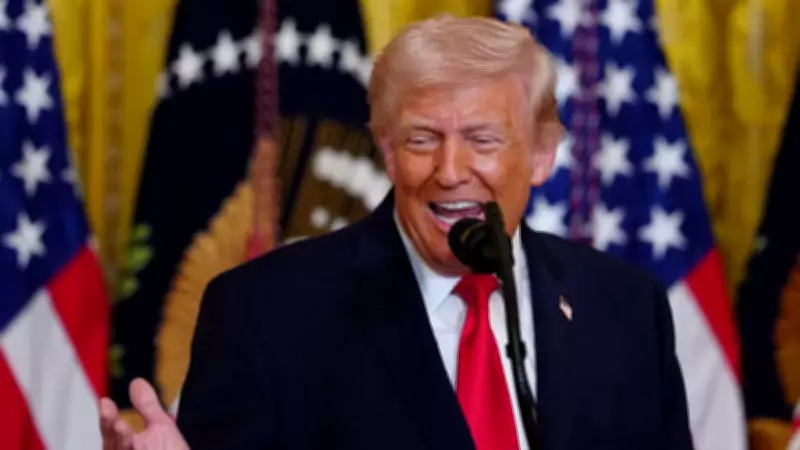
In a significant diplomatic development, Iran has launched a strong and pointed response to former United States President Donald Trump's recent remarks concerning life and safety conditions within the Islamic Republic. This exchange of words occurs against the backdrop of the approaching FIFA World Cup 2026, an event that promises to bring global attention and scrutiny to host nations and participating countries alike.
Trump's Provocative Statements Spark International Controversy
Donald Trump, known for his outspoken and often contentious foreign policy stances during and after his presidency, made comments that directly questioned the safety and quality of life in Iran. While the exact phrasing of his statements has varied in media reports, the core assertion implied significant concerns about security and living standards in the country. These remarks were not made in a vacuum; they come at a time when Iran is preparing to participate in one of the world's most-watched sporting spectacles.
Iran's Official and Firm Response
The Iranian government, through its official channels, has categorically rejected and condemned Trump's assertions. Authorities have framed the comments as "uninformed," "politically motivated," and an attempt to unfairly tarnish Iran's international image ahead of a major global event. Iranian spokespersons emphasized the country's commitment to ensuring the safety and well-being of all visitors, including athletes and fans, for the World Cup. They pointed to existing security measures and infrastructure developments as evidence of their preparedness.

This rebuttal is seen as part of a broader effort by Iran to control its narrative on the world stage, particularly in contexts where it faces persistent criticism from Western powers, notably the United States.
Implications for FIFA World Cup 2026 and International Relations
The timing of this diplomatic spat is particularly sensitive. The FIFA World Cup 2026 is set to be hosted across three nations: the United States, Canada, and Mexico. While Iran is not a host, its participation will involve travel and engagement in a region where political tensions with the U.S. remain high. Key implications include:
- Security Coordination: The incident underscores the complex security and diplomatic coordination required between nations with strained relations during such mega-events.
- Political Atmosphere: It risks injecting political tensions into the sporting environment, potentially affecting team morale, fan interactions, and overall event harmony.
- Global Perception: For Iran, this is an opportunity to showcase stability and hospitality, making the rebuttal to Trump's comments a crucial part of its public relations strategy.
Broader Context of U.S.-Iran Relations
This exchange is not an isolated incident but fits into the long and tumultuous history of U.S.-Iran relations. From the 1979 Iranian Revolution to the nuclear deal negotiations and subsequent tensions, interactions have often been marked by mutual distrust and public disagreements. Trump's presidency was characterized by a "maximum pressure" campaign against Iran, including sanctions and harsh rhetoric. His recent comments, therefore, are viewed by many analysts as a continuation of that adversarial posture, even out of office.
Iran's response reflects its ongoing defiance and assertion of sovereignty, rejecting what it perceives as external interference and mischaracterization.
Looking Ahead to the Tournament
As the world anticipates the FIFA World Cup 2026, this episode serves as a reminder of how sports and politics can become deeply intertwined. FIFA, as the governing body, typically advocates for the separation of sports from political issues, but real-world dynamics often challenge this ideal. The focus will now be on whether this war of words escalates or subsides as the tournament draws nearer, and how it might impact Iran's participation and the overall spirit of the event.

In conclusion, Iran's strong pushback against Donald Trump's safety comments highlights the delicate interplay between diplomacy, security, and global sports. It sets the stage for a World Cup where geopolitical undercurrents may run just as deep as the athletic competition on the field.