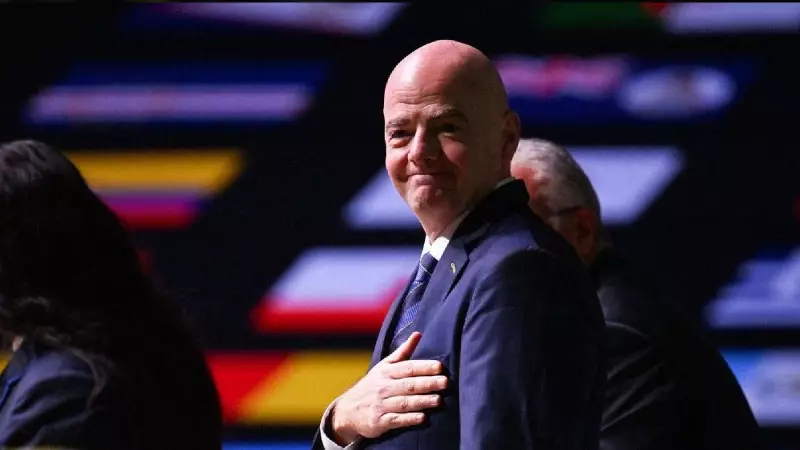
FIFA President Gianni Infantino has issued a robust defence of the soaring ticket prices for the 2026 FIFA World Cup, arguing that the revenue generated is essential for the survival of football in numerous countries worldwide. The statement comes amid growing fan frustration over what many are calling exorbitant costs for the upcoming tournament in the USA, Canada, and Mexico.
Defending the Price Surge: A Necessity for Global Football
Speaking at the World Sports Summit in Dubai, Infantino directly addressed the criticism. "Without FIFA, there would be no football in 150 countries in the world," he stated. He elaborated that the sport thrives globally precisely because of the revenues generated from marquee events like the World Cup. "There is football because, and thanks to, these revenues we generate with, and from, the World Cup, which we reinvest all over the world," Infantino explained.
FIFA's ticketing strategy for the 2026 edition employs a dynamic pricing model, which has led to unprecedented costs for fans. The figures are staggering:

- The cheapest ticket for the final match is priced at $4,185.
- Upper-tier tickets for the final start at $5,575.
- A seat in the second level could cost as much as $8,680, potentially making it the most expensive sporting event ticket ever.
Even matches featuring popular teams like Brazil, Portugal, and Argentina have a minimum entry price of $265 for seats with potentially obstructed views. The price spike has affected group-stage games as well, with tickets ranging from $140 to $2,735. This marks a sharp increase compared to the 2022 Qatar World Cup, where some tickets were available for $60, and the recent Euro 2024, which had tickets starting at $40.
Unprecedented Demand vs. Astronomical Prices
Despite the steep pricing, demand has shattered all previous records, a point Infantino emphasised to justify the model. "We have six to seven million tickets on sale and in 15 days we received 150 million ticket requests," he revealed. To put this in perspective, he added, "In the almost 100 years of the World Cup, FIFA has sold 44 million tickets in total. So, in two weeks, we could have filled 300 years of World Cups."
FIFA has previously stated that its pricing aligns with industry trends in sports and entertainment, aiming to optimise sales and ensure "fair market value." The organisation claims that 90% of all revenue it generates is redistributed back into developing the sport globally, funding grassroots programmes, infrastructure, and associations in member countries.
The Balancing Act: Revenue Generation and Fan Accessibility
The controversy highlights the perennial conflict within modern sports governance: balancing commercial viability with fan accessibility. While Infantino's argument centres on the financial lifeline the World Cup provides for football's global ecosystem, critics argue that the pricing model risks turning the event into an exclusive spectacle for the wealthy, alienating the average supporter.
The third round of ticket sales, conducted via a lottery system after the group stage draw, has been the primary flashpoint for the current backlash. With the 2026 World Cup expanding to 48 teams and more matches, the total ticket inventory is larger than ever, yet the dynamic pricing ensures costs remain at a premium.
As the debate continues, the core of Infantino's defence rests on a simple equation: record-breaking demand validates the pricing strategy, and the resulting funds are non-negotiable for the health of world football. Whether this justification will placate disappointed fans remains to be seen as the tournament approaches.