I-League Poised for Major Rebranding as Indian Football League
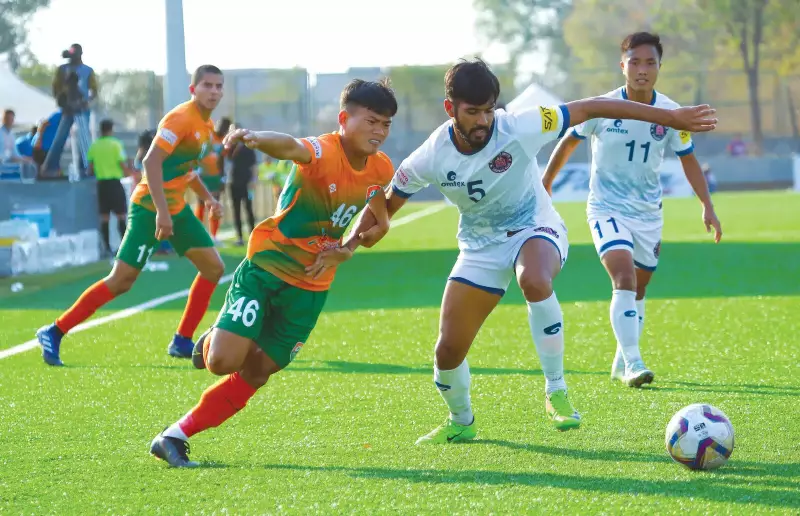
Panaji: Indian football's second-tier competition, the I-League, is on the verge of a significant transformation that could see it rebranded as the Indian Football League (IFL). This change, pending approval from the All India Football Federation (AIFF) executive committee, represents more than just a name alteration—it signals a fundamental shift in how the league will be governed and developed.
Historical Context and Proposed Evolution
The league that began as the National Football League (NFL) in 1996-97, marking India's transition from tournament-based football to a semi-professional league structure, has undergone several transformations. Originally rebranded as the I-League in 2007, the competition now faces another pivotal moment. Participating clubs have collectively proposed the Indian Football League name, describing it as a "landmark step that marks a transformative shift in the governance and development of club football in India."
Official Confirmation and Governance Structure
AIFF deputy secretary general M Satyanarayan confirmed the development, stating: "The clubs have proposed change of name from I-League to Indian Football League and we have sought the approval of executive committee." This follows a joint meeting between I-League clubs and AIFF officials where a governing council and management committee were established, subject to executive committee endorsement.

The meeting saw participation from eight club representatives, with Churchill Brothers FC, Aizawl FC, and newly-promoted Chanmari FC absent. Sources indicate at least two of these clubs will eventually join the initiative. Larsing Sawyan, former AIFF vice president and Shillong Lajong owner, noted they've been in contact with ten clubs, suggesting broader participation than initially apparent.
New Format and Timeline
Clubs have been given until February 2 to confirm their participation, with the revamped league scheduled to commence on February 21—just one week after the top-tier Indian Super League (ISL) begins its season. The competition will feature an innovative two-stage format:
- League Stage: All confirmed clubs will compete in a single-leg round-robin format
- Championship Stage: Top six teams will play home-and-away matches for the title
- Relegation Battle: Bottom five clubs will compete in centralized matches to avoid relegation
Club-Driven Governance Model
The proposed IFL represents a departure from previous structures, envisioning a modern, club-governed national league where participating clubs collectively shape sporting, commercial, regulatory, and developmental frameworks. A senior AIFF official explained: "In the new system, all owners have now come on board and directly dealing with the federation. They are actively involved in the running of the league."
This democratic approach gives clubs a decisive voice in league operations, addressing long-standing financial challenges. The official added: "They are all motivated to do something different, rather than continue to bleed financially. The I-League is now open to being sold for sponsorships since the rights don't belong to the marketing partners. The clubs are keen to drive this forward. The name change indicates a fresh start."
Stakeholder Support and Vision
Rajasthan United owner KK Tak expressed strong support for the initiative, stating: "A club-driven governance model empowers stakeholders who invest in players, infrastructure, and development on the ground. Rajasthan United fully supports this initiative, which prioritises transparency, sustainability, and collective responsibility."
Tak emphasized that the IFL represents a progressive and much-needed evolution for Indian football, moving toward a system where those most invested in the sport's growth have greater influence over its direction and development.

This potential rebranding from I-League to Indian Football League symbolizes more than cosmetic changes—it reflects a fundamental reimagining of how India's second-tier football competition operates, with clubs taking center stage in shaping their own destiny and contributing to the broader development of football in the country.