FIFA's Slow Pedaling and Double Standards Over Mexico Violence Alarms World Cup 2026 Observers
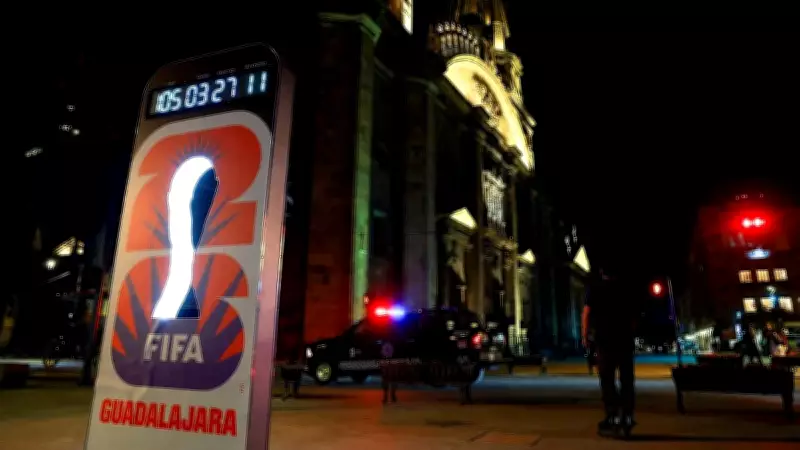
The upcoming FIFA World Cup 2026, set to be hosted across North America, is already embroiled in controversy as FIFA's response to recent violence in Mexico raises serious concerns. Mexico is slated to host 13 matches during the tournament, but the spotlight is on Guadalajara, where all reported violence has occurred. This city is scheduled to host four crucial games, including a highly anticipated first-round tie between football powerhouses Uruguay and Spain.
Guadalajara's Troubled Status as a World Cup Host City
Guadalajara, a key Mexican city in the World Cup 2026 lineup, has been the epicenter of violent incidents that have cast a shadow over its hosting capabilities. Despite this, FIFA has maintained its plans for the city to host four matches, with the Uruguay vs. Spain game being a marquee event expected to draw global attention. The slow and seemingly inconsistent response from FIFA officials has sparked alarm among stakeholders, who question the organization's commitment to safety and fairness.
Criticism of FIFA's Handling and Perceived Double Standards
Observers and critics are pointing to what they describe as FIFA's "slow pedaling" in addressing the security issues in Guadalajara. This perceived lethargy is contrasted with FIFA's typically swift actions in other regions, leading to accusations of double standards. The organization's failure to implement immediate measures or consider alternative venues has fueled debates about its priorities and risk management strategies for the 2026 World Cup.

Implications for the World Cup 2026 and Future FIFA Policies
The controversy extends beyond Mexico, potentially affecting the overall integrity and smooth operation of the World Cup 2026. With matches spread across multiple countries, FIFA's handling of this situation could set a precedent for how it deals with security challenges in other host nations. Stakeholders are calling for transparent and consistent policies to ensure the safety of players, fans, and officials, emphasizing that the world's biggest football event must not be compromised by inadequate responses to violence.