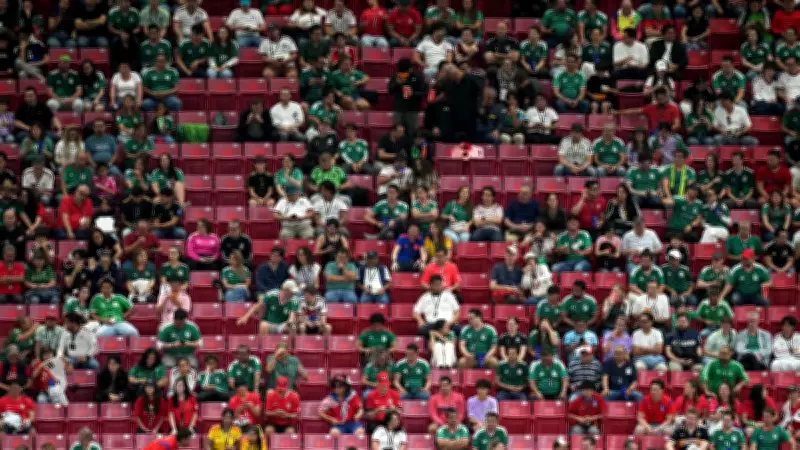
The opening day of the FIFA World Cup 2026 saw hundreds of seats left empty, sparking confusion among fans and officials. Despite the high anticipation and sold-out matches, many sections of the stadium remained vacant. This article explores the reasons behind this unexpected occurrence.
Logistical Challenges
One of the primary reasons for the empty seats was logistical issues. Many fans faced delays in transportation, with insufficient public transport options and road congestion leading to late arrivals. Some ticket holders were unable to reach the stadium in time for the kickoff, resulting in empty seats during the first half.
Ticket Distribution Problems
Another factor was the ticket distribution system. A significant number of tickets were allocated to sponsors, VIPs, and corporate partners, who often do not use all their seats. Additionally, some tickets were sold through secondary markets, where buyers may have failed to attend.

Stadium Capacity and Design
The stadium's design also played a role. Certain sections, particularly those with obstructed views or poor facilities, were less popular among fans. Despite being available for purchase, these seats remained unsold or unused.
Weather and Comfort Issues
Weather conditions on opening day were unfavorable, with extreme heat or rain in some host cities. This discouraged some fans from attending, especially those with seats in uncovered areas. The lack of adequate shading or shelter contributed to the empty seats.
Comparison with Previous Tournaments
Empty seats on opening day are not unique to the 2026 World Cup. Similar issues have occurred in past tournaments, such as the 2014 World Cup in Brazil and the 2018 World Cup in Russia. Factors like high ticket prices, travel distances, and cultural differences often lead to lower attendance for early matches.
Official Response
FIFA officials acknowledged the issue and stated that they are working to improve the situation for upcoming matches. Measures include enhancing transportation services, reviewing ticket allocation policies, and providing better amenities in all sections of the stadium.
In conclusion, the empty seats on the opening day of the FIFA World Cup 2026 resulted from a combination of logistical, distribution, and design factors. While disappointing, these issues are being addressed to ensure fuller stadiums for the remainder of the tournament.