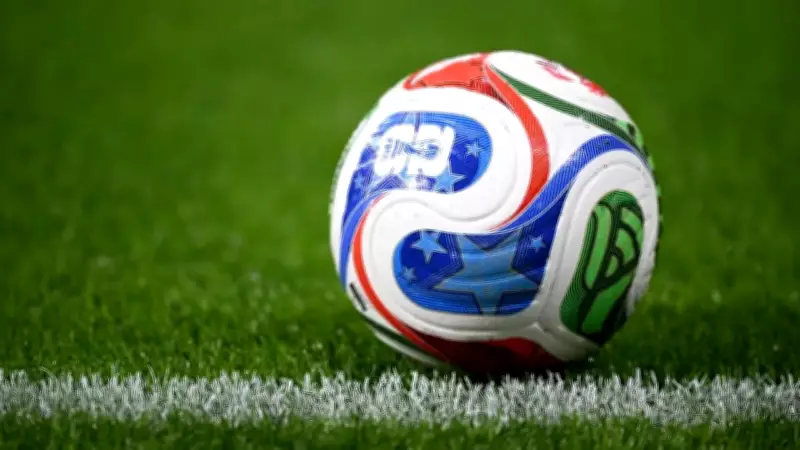
The FIFA World Cup is set to return to North America in 2026, exactly 32 years after the United States first hosted the tournament in 1994. However, the landscape of the tournament has transformed dramatically over the past three decades. Changes include an increased number of teams and matches, revised ticket pricing structures, updated stadium requirements, and new on-field management protocols.
Tournament Expansion and Format Changes
The 2026 edition, jointly hosted by the United States, Canada, and Mexico from June 11 to July 19, will be the largest World Cup in history. The tournament will feature 48 teams, a significant increase from the 24 teams in 1994 and the 32 teams in recent editions. This expansion introduces a new round of 32, meaning teams that reach the final will now play eight matches instead of seven.
Ticket Pricing Evolution
One of the most notable changes is the cost of attending matches. In 1994, first-round tickets ranged from USD 25 to USD 75, while tickets for the final cost between USD 180 and USD 475. For the 2026 World Cup, initial ticket prices ranged from USD 140 to USD 2,735 for first-round games and from USD 4,185 to USD 8,680 for the final. FIFA later increased the highest-priced final ticket to USD 10,990. The 2026 tournament is also the first to implement dynamic pricing, where ticket prices fluctuate based on demand.

Attendance and Venue Infrastructure
Attendance is expected to surge. The 1994 World Cup attracted a record 3.59 million spectators across 52 matches, averaging 68,991 fans per game. With nearly double the number of matches in 2026, total attendance is projected to reach between six and seven million. The tournament's footprint has also expanded. The 1994 edition was played in nine stadiums across the United States, with the opening match at Soldier Field in Chicago. The 2026 World Cup will use 16 venues: 11 in the United States, three in Mexico, and two in Canada. All matches from the quarterfinal stage onward will be held in the United States. Notably, Chicago will not host any matches after declining to participate due to concerns over financial arrangements with FIFA.
Stadium and Player Welfare Changes
Stadium infrastructure has evolved. While the 1994 World Cup used several NFL venues, some of which no longer exist, all 11 US venues in 2026 are modern NFL stadiums with luxury suites and premium seating areas. In 1994, FIFA allowed some stadiums to use narrower pitches than standard dimensions. For 2026, stadiums have been modified to meet FIFA's field-size requirements. Player welfare measures have also advanced. Teams played through hot and humid conditions in 1994 without scheduled breaks. In 2026, matches in similar weather conditions will include three-minute water breaks in each half, which coaches may also use to relay instructions.
Substitution Rules and Presentation
Substitution rules have expanded significantly. Teams could make only two substitutions during the 1994 World Cup, with a third allowed only in specific situations involving goalkeepers. In 2026, teams can use five substitutes during normal time, with an additional substitute available in extra time and another allowed to replace a player suffering a concussion. Several presentation aspects have also changed. Player names first appeared on jerseys at the 1994 World Cup and have since become a standard feature of the game.
Organisational Structure
The way the tournament is organised has changed as well. The 1994 World Cup was largely run by a local organising committee led by Alan Rothenberg, then head of the US Soccer Federation. For the 2026 tournament, FIFA is directly overseeing operations, with president Gianni Infantino playing a prominent role in preparations.
About the Author: TOI Sports Desk reporters work around the clock to provide comprehensive updates from the world of sports, including nuanced match reports, previews, reviews, statistics-based technical analysis, social media trends, and expert insights across cricket, football, tennis, badminton, hockey, motorsports, wrestling, boxing, shooting, athletics, and more.