T20 World Cup 2026: Travel Costs Skyrocket Following Pakistan's Boycott Reversal
In a dramatic turn of events, flight and hotel prices for the upcoming T20 World Cup 2026 have surged significantly after Pakistan reversed its earlier decision to boycott the tournament. This sudden policy shift has triggered a massive spike in travel demand, creating logistical headaches and financial burdens for fans and organizers alike.
Pakistan's Policy U-Turn Sparks Market Chaos
The Pakistan Cricket Board (PCB) initially announced a boycott of the T20 World Cup 2026, citing unresolved political and diplomatic tensions. However, in a surprising move, the board recently reversed this call, opting to participate in the global cricket event. This decision has had an immediate and profound impact on the travel and hospitality sectors associated with the tournament.
Flight prices to host cities have jumped by as much as 40-50% in the past week, with airlines scrambling to adjust schedules and capacity to meet the unexpected influx of bookings. Similarly, hotel rates in key locations have seen sharp increases, with some properties reporting a doubling of prices due to the sudden surge in demand from Pakistani fans and officials.

Logistical Challenges and Fan Frustrations
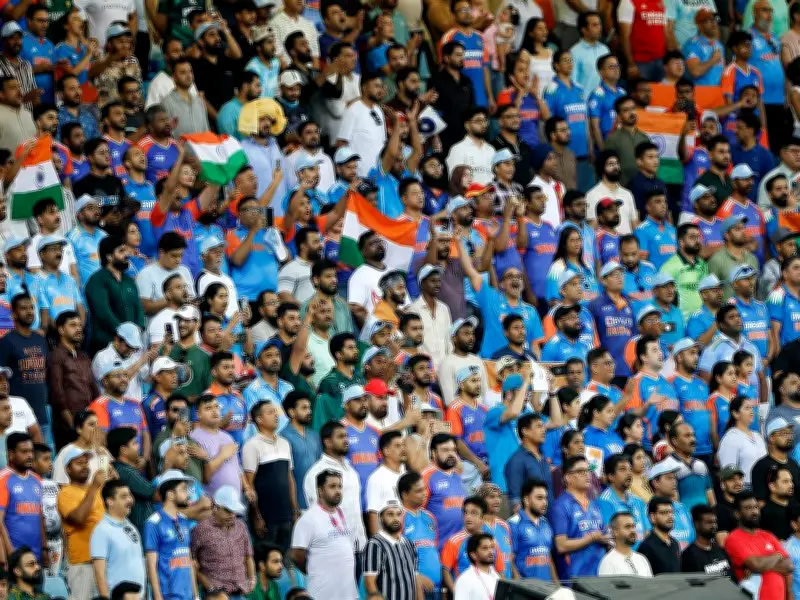
The abrupt reversal has left many fans in a bind, as those who had postponed travel plans are now facing exorbitant costs. Travel agencies report a flood of inquiries and bookings, but with limited availability, prices have skyrocketed. This has led to widespread frustration among cricket enthusiasts, who now must contend with inflated budgets for what was already an expensive international event.
Industry experts note that the timing of Pakistan's decision has exacerbated the situation. With the tournament still two years away, early planning is crucial, and the sudden change has disrupted the market. "The volatility in prices is unprecedented for a sporting event of this scale," said a travel analyst. "It highlights how geopolitical decisions can directly affect economic sectors like tourism and hospitality."
Broader Implications for the T20 World Cup
Beyond travel costs, Pakistan's participation reversal is expected to influence other aspects of the T20 World Cup 2026. Ticket sales are projected to increase, and broadcast rights may see higher valuations due to the inclusion of a major cricketing nation. Organizers are now working to manage the logistical fallout, including potential venue adjustments and security arrangements to accommodate the larger expected turnout.
This incident underscores the interconnectedness of sports, politics, and economics. As fans navigate the rising costs, the focus remains on ensuring a smooth and successful tournament. The surge in prices serves as a stark reminder of how last-minute policy changes can ripple through global events, affecting millions of stakeholders.