T20 World Cup Truce Reached Amid Political Turmoil, But Questions Linger
The suspense surrounding the highly anticipated India-Pakistan T20 World Cup match has finally been resolved, with a truce declared after tense weekend negotiations. However, the political drama that monopolized headlines has left the cricketing world grappling with serious questions about the sport's administration and future.
Last-Minute Economic Sense Prevails Over Political Posturing
It was only at the proverbial eleventh hour, when hard economic reality became impossible to ignore, that administrators involved in the dispute recognized the catastrophic financial implications of an ICC event without the marquee India-Pakistan encounter. This realization prompted the late-night meetings that ultimately produced a ceasefire in what had become a bitter political standoff.
The International Cricket Council seized the moment for lofty pronouncements, declaring itself "united, committed and purposeful in aspirations to serve the best interests of the game with integrity, neutrality and cooperation." Yet the actual events leading to the resolution painted a considerably less harmonious picture.

Political Axes Overshadow Athletic Anticipation
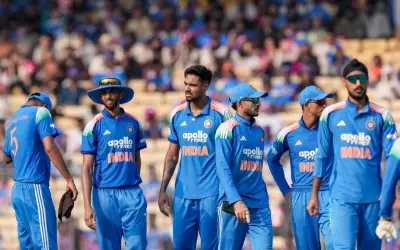
Rather than focusing on the much-anticipated face-offs between world-class athletes like Suryakumar Yadav, Shaheen Afridi, Kagiso Rabada, and Jos Buttler, the countdown to the tournament became dominated by slanging matches between administrators pursuing political agendas. The terminology of peace talks and summit meetings had uncomfortably migrated from diplomatic circles to cricket boardrooms.
The controversy originated when the Indian cricket board removed Bangladesh pacer Mustafizur Rahman from the IPL, reacting to incidents of violence against the Hindu minority in Bangladesh. While addressing serious human rights concerns is crucial, many questioned whether the sporting arena was the appropriate venue for such diplomatic maneuvers.
Regional Politics Infects Global Cricket
Bangladesh, embroiled in its own political turmoil, escalated the situation by weaponizing cricket administration, which remains under political control in Dhaka. Pakistan then entered the fray, expressing solidarity with Bangladesh and threatening to disrupt the ICC's financial pipeline. Suddenly, the spotlight had shifted entirely from athletes to politicians like Jay Shah, Mohsin Naqvi, Aminul Islam, and Shehbaz Sharif.
This episode demonstrates how the deep-seated mistrust and bitterness of Subcontinental politics has permeated cricket, creating unprecedented tension ahead of a major international tournament.
Fundamental Questions About Cricket's Governance
Cricket administration now faces urgent questions about its fundamental purpose and structure. Are governing bodies truly "united, committed and purposeful" as the ICC claims? Do they genuinely prioritize the sport's best interests above political considerations?
The entire controversy has exposed the dangerous reality that cricket's financial model remains precariously dependent on the India-Pakistan rivalry. Those Blue vs. Green encounters continue to serve as cricket's primary revenue generator, yet this represents an unsustainable foundation for a sport with genuine global ambitions.
The Path Forward for Cricket
Until the ICC develops viable financial alternatives, the sport must protect its crown jewel from political manipulation. India-Pakistan matches should remain those electrifying bat-versus-ball contests that begin and end with handshakes, not bargaining chips in geopolitical disputes.
Politicians must be relegated to the sidelines rather than allowed to hold a gun to the head of cricket's golden goose. The recent drama serves as a stark warning about the perils of allowing political agendas to hijack sporting events that should celebrate athletic excellence and international camaraderie.
Cricket's administrators must now conduct the hard, honest self-examination this episode demands, ensuring that future tournaments focus on the players and games that captivate millions worldwide, rather than the political machinations that threaten to undermine the sport's integrity and appeal.