The landscape of T20 cricket is undergoing a dramatic transformation, with batters dominating like never before. The year 2025 has set a new benchmark, witnessing a staggering 4,62,258 runs scored worldwide in the game's shortest and most explosive format. This relentless upward climb in scoring has become the defining trend of the current decade, pushing bowlers to their limits and reshaping strategies.
The Numbers Tell the Story: A Relentless Run Surge
The most telling statistic is the average runs per team per match, which soared to 295.37 in 2025. This is not an isolated spike but the peak of a consistent five-year trend. A look at the averages from previous years confirms the pattern: 281.81 (2021), 280.54 (2022), 288.00 (2023), and 285.40 (2024). For context, when the first T20 International was played in 2005, the average was a comparatively modest 275.19.
This run fest is fueled by a combination of factors. Curators prepare batting-friendly pitches, lawmakers permit broader bats, and organisers actively promote high-scoring contests to attract fans to stadiums and television screens. The results are spectacular innings that rewrite record books.

Domestic and International Carnage: Record-Breaking Innings
The 2025 season was illuminated by breathtaking individual performances. In the Syed Mushtaq Ali Trophy, Punjab amassed 310 runs against Bengal, powered by Abhishek Sharma's blistering 148 off just 52 balls. At the international level, England delivered a masterclass by walloping South Africa, posting a colossal 304 runs. This was made possible by Phil Salt's unbeaten 141 from 60 deliveries and a whirlwind 30-ball 83 from Jos Buttler.
Ian Bishop's Perspective: Bowlers as Adaptable Heroes
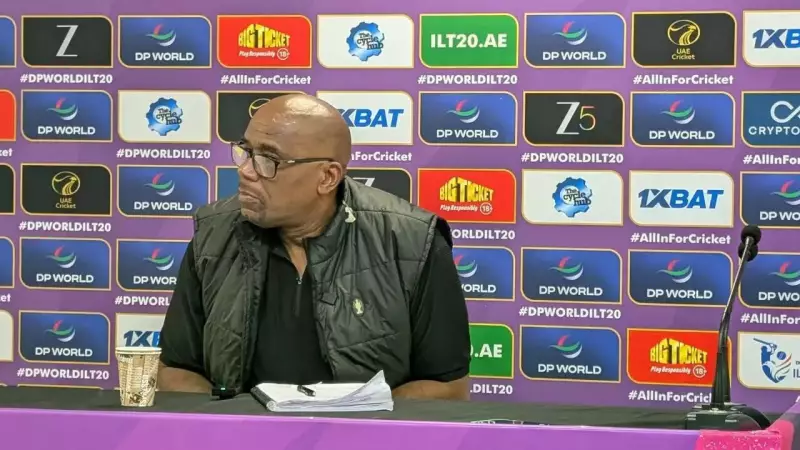
Amid this batting dominance, former West Indies fast bowler and renowned commentator Ian Bishop offers a nuanced view. While acknowledging the shift, he disputes the idea that every young cricketer now only wants to bat. "I don't think everybody wants to be a batter. I still think there is room in the game for those who want to bowl fast, those who want to bowl wrist spin, those who want to bowl finger spin," Bishop stated during the ILT20.
He reflected on the historical narrative, smiling as he noted, "Historically, batters have always been seen as the heroes and bowlers the villains. Even when I was playing that was always the battle." Bishop believes bowlers are an adaptable species who will devise new plans to counter the batting advantage. However, he strongly advocates for administrators to intervene. "We have to do a better job of creating a better balance between bat and ball even in T20 cricket," he reasoned.
A Radical Proposal: The Case for Four-Day Test Matches
Beyond T20s, Bishop is a vocal proponent for another significant change in cricket: four-day Test matches. The 58-year-old, who played 43 Tests for the Windies, argues that this format is especially suitable for the World Test Championship (WTC), where results are imperative and require pitches that yield finishes.
"I have long been in favour of 4-day Test cricket... if you ask me, I have long said publicly, I am a 4-day Test cricket fan," he affirmed. While critics point to potential weather disruptions, Bishop highlights the benefits for smaller nations. Shifting to four-day games could allow a full three-Test series to be wrapped up in under three weeks, reducing costs and logistical burdens. In such matches, playing hours are extended to ensure a minimum of 98 overs per day to compensate for the lost day.
The ICC had approved four-day Tests for bilateral series in 2017. England has played several, including against Ireland in 2019 and 2023, and against Zimbabwe at Trent Bridge. However, four-day Tests have not yet been featured under the official World Test Championship format.
The era of the mega-score is firmly upon us. As bats continue to swing freely and records tumble, the central debate now revolves around preserving the sport's essential contest. The call from voices like Ian Bishop's is clear: for the long-term health of all formats, finding an equilibrium between bat and ball is the next great challenge for cricket's guardians.