Suryakumar Yadav Addresses Sanju Samson's Wicket-Keeping Role in Final T20I
Indian cricket vice-captain Suryakumar Yadav has provided clarity on the decision to not have Sanju Samson keep wickets during the fifth and final T20 International match against Australia. This move sparked discussions among fans and analysts, prompting Suryakumar to explain the team's strategic thinking behind the choice.
Strategic Decision for Team Balance
In his statement, Suryakumar emphasized that the decision was purely tactical and aimed at optimizing the team's overall performance. He highlighted that the management wanted to ensure the best possible combination on the field, considering factors like player fitness, match conditions, and the specific demands of the game. This approach reflects the team's adaptability and focus on collective success rather than individual roles.
The absence of Samson from wicket-keeping duties allowed other players to step up, showcasing the depth and flexibility within the squad. Suryakumar noted that such decisions are common in modern cricket, where teams constantly tweak strategies based on real-time assessments.

Ishan Kishan's Batting Prowess Praised
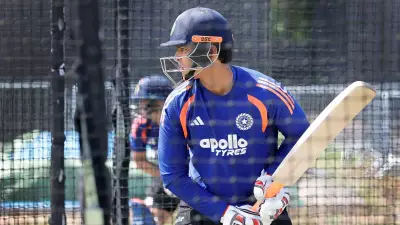
Turning his attention to Ishan Kishan, Suryakumar Yadav lavished praise on the young wicket-keeper batsman for his stellar performance with the bat throughout the T20I series. He commended Ishan's consistency, aggressive stroke play, and ability to anchor the innings under pressure. Suryakumar pointed out that Ishan's contributions were crucial in several matches, helping India secure key victories and build momentum.
Ishan's statement series with the bat has been a highlight, demonstrating his growth as a reliable top-order batsman in the T20 format. Suryakumar expressed confidence in Ishan's future, noting that his form bodes well for India's upcoming cricketing engagements.
Team Dynamics and Future Outlook
The explanation from Suryakumar sheds light on the nuanced decision-making processes within the Indian cricket team. It underscores how roles can be fluid, with players like Sanju Samson and Ishan Kishan adapting to different responsibilities as needed. This flexibility is essential in the fast-paced world of T20 cricket, where quick adjustments can make a significant difference.
Looking ahead, Suryakumar's insights suggest that the team is focused on building a versatile squad capable of handling various challenges. The praise for Ishan Kishan's batting, coupled with the strategic reasoning behind Samson's role, highlights a balanced approach to player management and team strategy.
In summary, Suryakumar Yadav's comments provide valuable context for fans and observers, emphasizing the importance of team dynamics and strategic planning in cricket. As India continues to evolve its T20 squad, such discussions will remain integral to understanding the team's direction and success.