Supreme Court Seeks Response from Cricketer Mohammad Shami on Transfer Pleas
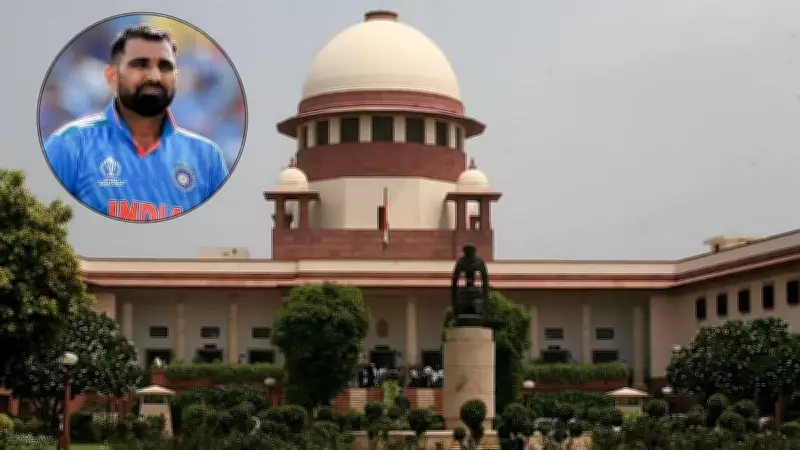
The Supreme Court of India has taken a significant step in a legal matter involving prominent cricketer Mohammad Shami. The top court has formally issued a notice to Shami and other respondents, demanding their replies on transfer pleas that have been filed by his estranged wife. This development marks a crucial phase in the ongoing legal proceedings between the parties.
Legal Notice Issued by the Apex Court
In a recent hearing, the Supreme Court directed that notices be served to all respondents, including Mohammad Shami, to solicit their responses regarding the transfer pleas. The court's action underscores the judicial scrutiny applied to cases of this nature, ensuring that all sides are heard before any decisions are made. The issuance of the notice is a standard procedural move in such legal disputes, aimed at gathering necessary information and arguments from the involved parties.
Background of the Transfer Pleas
The transfer pleas in question were initiated by Mohammad Shami's estranged wife, who has sought legal recourse to address certain matters related to their separation. While specific details of the pleas have not been fully disclosed in public reports, they are understood to pertain to jurisdictional or procedural aspects of the case that require court intervention. Such pleas are common in family law disputes, where parties may seek to transfer cases to different courts for various reasons, such as convenience or fairness.

The Supreme Court has scheduled the next hearing for this matter to occur after a period of four weeks. This timeline allows the respondents, including Shami, adequate time to prepare and submit their replies. The court's decision to post the hearing after this interval reflects a balanced approach to case management, ensuring that all procedural requirements are met without unnecessary delay.
Implications for Mohammad Shami
As a well-known figure in Indian cricket, Mohammad Shami's involvement in this legal case has drawn public attention. The Supreme Court's notice does not imply any judgment on the merits of the case but rather initiates a formal process for response. Shami and his legal team are expected to address the pleas in their reply, which could influence the future course of the proceedings. This situation highlights the intersection of personal legal matters with the public profiles of sports celebrities, often leading to heightened media scrutiny.
The case is being closely monitored by legal experts and cricket enthusiasts alike, as it may set precedents or offer insights into how such disputes are handled in the Indian judicial system. The Supreme Court's role in this matter emphasizes the importance of due process and fair hearing in resolving complex family law issues.
Next Steps in the Legal Process
Following the issuance of the notice, the respondents have been given a clear deadline to file their responses. Once these are submitted, the Supreme Court will review the arguments and evidence presented by both sides during the scheduled hearing. The outcome of this hearing could determine whether the transfer pleas are granted, denied, or require further consideration. Legal observers note that such cases often involve detailed examinations of jurisdictional facts and the interests of justice.
In summary, the Supreme Court's action in seeking Mohammad Shami's reply on the transfer pleas filed by his estranged wife represents a pivotal moment in this legal dispute. With the hearing set for four weeks from now, all eyes will be on the developments as they unfold in the coming weeks.