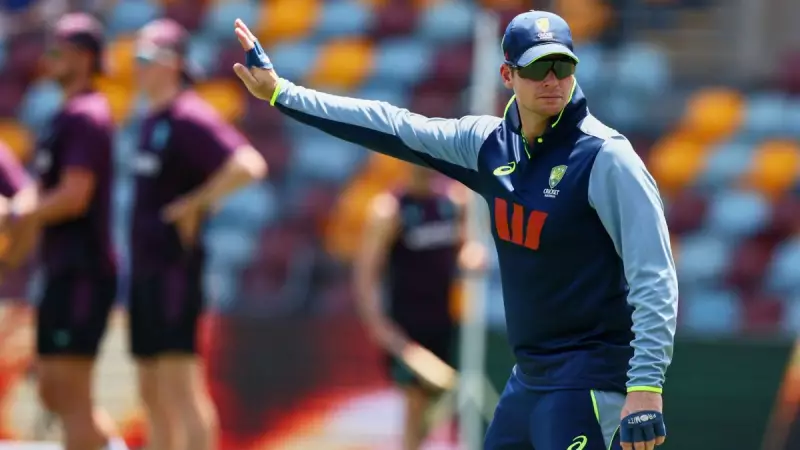
In a significant blow to the Australian cricket team, star batter Steve Smith has been ruled out of the pivotal third Ashes Test against England in Adelaide. The decision comes after Smith reported delayed symptoms of concussion following a head injury sustained during a training session.
The Incident and Medical Assessment
The sequence of events began when Steve Smith was struck on the head by a cricket ball while practicing in the nets ahead of the Adelaide Test. Initially, the 36-year-old showed no immediate signs of distress and participated fully in the subsequent training day. However, he later reported experiencing delayed concussion symptoms to the medical staff, prompting immediate caution.
Following Cricket Australia's strict concussion management protocols, Smith underwent a thorough assessment. The medical team, led by team doctor Richard Saw, confirmed the concussion diagnosis. As a result, Smith has been placed under a mandatory rest period and will take no further part in the match. This protocol is part of CA's commitment to player safety, especially concerning head injuries.
Australia's Playing XI and Replacement
Smith's absence forces a reshuffle in the Australian batting lineup for the day-night Test at the Adelaide Oval. The responsibility of filling the considerable void left by the experienced right-hander falls on the shoulders of all-rounder Cameron Green. Green, who has been in impressive form, is set to slot into the middle order.
This change also triggers a shift in the bowling attack. With Green coming in as a pure batter for this Test, the team has opted to include an additional specialist bowler. Right-arm pacer Scott Boland has been drafted into the playing eleven, bolstering the pace battery alongside Pat Cummins, Mitchell Starc, and Josh Hazlewood. This indicates Australia's intent to exploit the pink-ball conditions under lights in Adelaide.
Context and Series Impact
The third Test is a crucial juncture in the Ashes 2025 series. The absence of Steve Smith, a batsman with a phenomenal record against England and over 9,500 Test runs, is a major setback for the home side. His experience and ability to anchor the innings in pressure situations will be sorely missed.
This incident highlights the increasing awareness and seriousness with which head injuries are treated in modern cricket. The implementation of concussion substitutes and rigorous return-to-play protocols has become standard, prioritizing long-term player health over short-term gains. Fans and pundits will now watch closely to see how Australia's reshuffled lineup copes with the challenge of a confident English side in what promises to be a thrilling day-night contest.