Steve Bucknor Opens Up on Sachin Tendulkar's Controversial 1999 Dismissal
In a candid revelation that has stirred the cricketing world, former international umpire Steve Bucknor has expressed deep regret over his decision to give Indian batting legend Sachin Tendulkar out during a Test match 22 years ago. Bucknor, known for his long and distinguished career, admitted that he now recognizes this call as a significant mistake, marking a rare public acknowledgment of an umpiring error from one of the sport's most respected figures.
The Infamous 1999 Incident Revisited
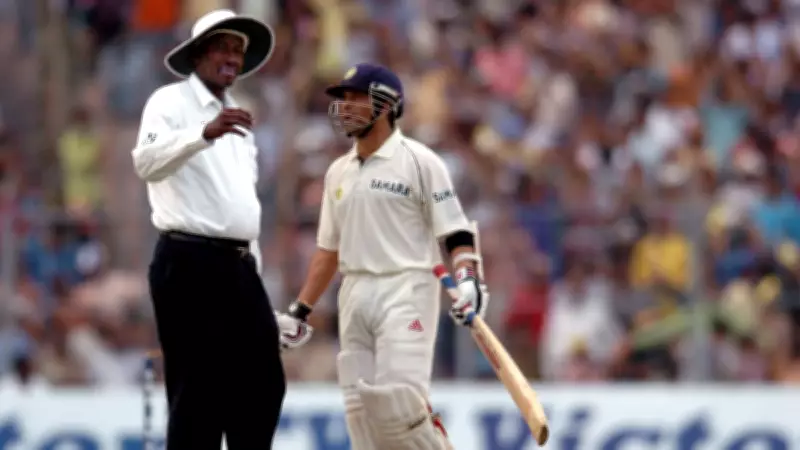
The incident in question occurred during a Test match between India and Pakistan in 1999, where Bucknor ruled Tendulkar out in a manner that sparked widespread debate and controversy at the time. For over two decades, this decision has been a point of discussion among fans, players, and analysts, often cited as one of the more contentious moments in cricket history. Bucknor's recent comments bring this long-standing issue back into the spotlight, offering a personal perspective on the event.
Bucknor stated, "I have accepted that this was a mistake," emphasizing his willingness to own up to the error after years of reflection. His admission highlights the human aspect of umpiring, where split-second decisions can have lasting impacts. This revelation is particularly notable given Bucknor's reputation for accuracy and composure during his tenure, which included officiating in a record number of Test matches.

Impact on Cricket and Umpiring Standards
Bucknor's regret sheds light on the evolution of umpiring in cricket, especially with the advent of technologies like the Decision Review System (DRS) that aim to reduce such errors. In the late 1990s, umpires relied solely on their judgment, without the aid of modern tools, making high-pressure calls more challenging. Bucknor's acknowledgment may encourage a broader conversation about the pressures faced by officials and the importance of continuous improvement in the sport.
The legacy of Sachin Tendulkar, often regarded as one of the greatest batsmen of all time, adds weight to this admission. Tendulkar's career was marked by numerous iconic moments, and this dismissal, though controversial, is a small part of his storied journey. Bucknor's comments do not diminish Tendulkar's achievements but rather humanize the often-imperfect nature of sports officiating.
Broader Implications for the Sport
This incident underscores how past decisions can linger in the collective memory of cricket enthusiasts. Bucknor's willingness to address it publicly demonstrates a sense of accountability that resonates in today's era, where transparency is increasingly valued. It also serves as a reminder of the emotional connections fans and players have with the game, where even decades-old events can evoke strong reactions.
In summary, Steve Bucknor's regret over the Sachin Tendulkar dismissal from 1999 offers a poignant look into the complexities of umpiring. By accepting his mistake, he provides closure to a chapter that has long been debated, while highlighting the progress in cricket's approach to fairness and accuracy. This story continues to captivate the cricketing community, reinforcing the enduring passion and scrutiny that define the sport.