Star Sports' India-Pakistan Rivalry Ad Campaign Sparks Controversy Ahead of T20 World Cup
The International Cricket Council T20 World Cup, scheduled to begin on 7 February, is already embroiled in significant political tensions, featuring one notable walkout and another high-profile diplomatic backdrop. In this volatile climate, the latest advertising campaign by Star Sports, centered on the historic India-Pakistan cricket rivalry, has ignited a fierce debate about whether it misses the mark entirely.
A Legacy of Rivalry Advertising
International cricket tournaments have long been synonymous with advertisements capitalizing on the intense India-Pakistan rivalry. The iconic Mauka Mauka ad series, which Star Sports promoted for numerous years, was widely celebrated for capturing the competitive essence of these encounters. Those advertisements effectively highlighted how matches between India and Pakistan are not only massive revenue generators but also high-stakes sporting events that captivate millions of fans globally.
The New Campaign: 'Repeating History'
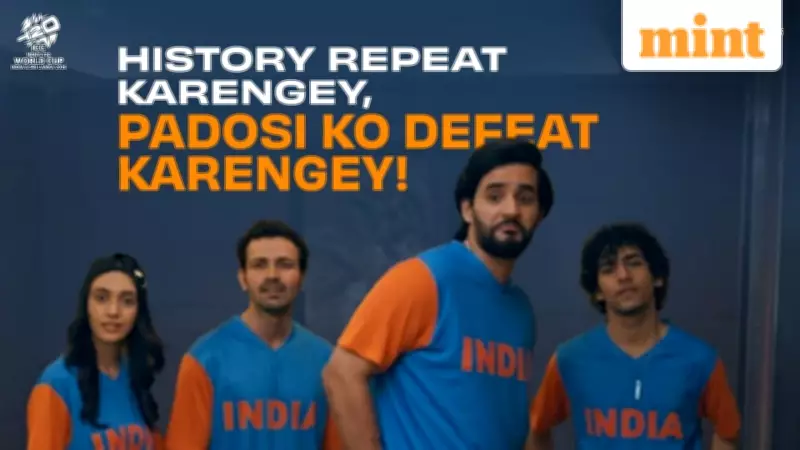
However, the current political landscape, where sport is increasingly overshadowed by diplomatic strife, has cast a shadow over Star Sports' newest YouTube campaign. Themed around 'repeating history,' the advertisement emphasizes India's overwhelming winning record against Pakistan in T20 cricket ahead of the upcoming World Cup.

The video portrays a solitary Pakistan fan, clad in team jersey, being taunted by four enthusiastic Team India supporters. In Hindi, they boldly promise to 'repeat history and defeat the neighbour,' explicitly referring to the encounter as the 'greatest rivalry.' This narrative, while intended to hype the match, has been criticized for its potentially inflammatory tone.
Political Sensitivities and Backlash
In today's politically charged environment, advertisements of this nature risk inadvertently amplifying whispers about India's perceived 'bullying' behavior in cricket circles. Many analysts argue that this may not be the most appropriate messaging strategy, given the delicate state of international relations.
Significant changes have unfolded over recent years, with political tensions between India and Pakistan—and now Bangladesh—spilling over into the cricketing arena. Last year's incidents at the Asia Cup in Dubai served as clear evidence that matches between these teams are becoming less about the sport itself and more about underlying geopolitical friction.
Tournament Turmoil and Walkouts
Adding to the controversy, Bangladesh has officially withdrawn from the T20 World Cup, citing security concerns in India. Shortly thereafter, the Pakistan Cricket Board declined to play against India in their scheduled first match on 15 February in Colombo, Sri Lanka. The International Cricket Council has issued a stern warning to Pakistan, indicating that boycotting matches could result in severe penalties and sanctions against the national team.
This series of events underscores the heightened sensitivities surrounding the tournament, making the timing of Star Sports' ad campaign particularly questionable. While the intention may have been to generate excitement, the execution has sparked discussions about the ethical responsibilities of broadcasters in promoting sports amidst political discord.
The broader implications for cricket diplomacy and the role of media in shaping public perception remain critical topics as the world watches how these tensions unfold during the World Cup.