Sri Lanka's Potential Home Edge in T20 World Cup 2026 Semi-Final Hinges on Specific ICC Conditions
NEW DELHI: Sri Lanka stands to gain a significant home advantage in the ongoing ICC T20 World Cup 2026, with Colombo's iconic R Premadasa Stadium poised to potentially host their semi-final match. However, this opportunity is contingent upon a precise set of conditions outlined by the International Cricket Council, adding a layer of strategic complexity to the tournament's knockout stages.
Floating Fixture and Key Tournament Logistics
According to an ESPNCricinfo report, which detailed tournament logistics shared with stakeholders after the Super Eight stage was finalized, Semi-final 1 remains a "floating" fixture. This critical match could be held either in Colombo, Sri Lanka, or Kolkata, India, depending on the qualifying teams and their matchups. The ICC has provided clear guidelines to determine the venue, ensuring fairness and logistical efficiency.
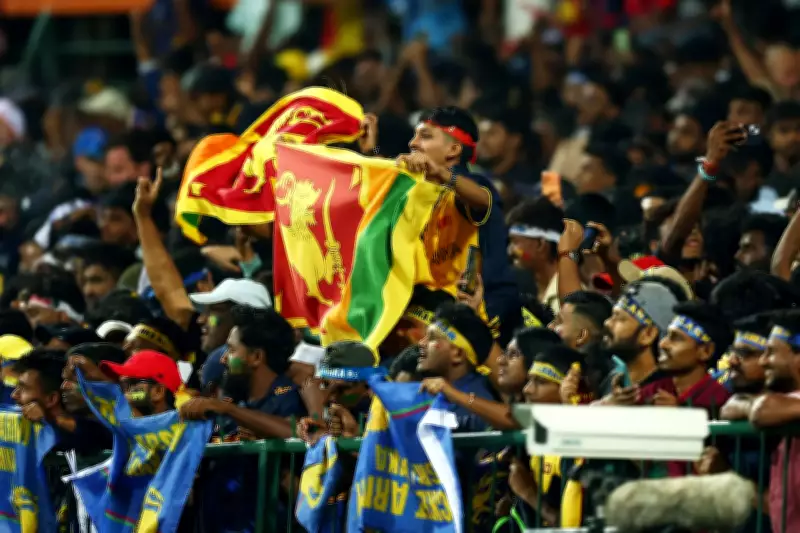
The arrangement creates a potentially decisive edge for Sri Lanka, who could play a high-stakes knockout match in familiar home conditions with robust crowd support energizing their performance. This home advantage could prove pivotal in a tense semi-final scenario, influencing team morale and on-field strategies.

Specific Conditions for Colombo Hosting
The ICC clarified that Pakistan will automatically play their semi-final in Colombo if they qualify for the last four. This rule prioritizes Pakistan's placement in the Sri Lankan venue under normal circumstances. However, if Pakistan fails to reach the semi-finals and Sri Lanka qualifies instead, the island nation will host the semi-final in Colombo—but with a crucial caveat: their opponent must not be India.
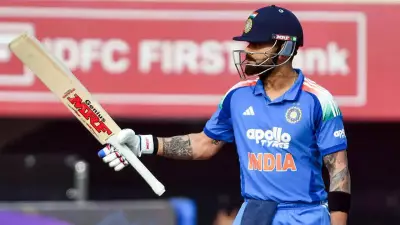
This condition introduces a fascinating dynamic. If Sri Lanka ends up facing India in the semi-final, the match will not be held in Colombo. Instead, India's semi-final has been designated for Mumbai, unless it is against Pakistan, in which case it shifts to Colombo. This ensures that high-profile clashes, particularly involving India, are managed with careful consideration of venue and security protocols.
Alternative Scenarios and Tournament Implications
The report further elaborated on alternative scenarios. If neither Pakistan nor Sri Lanka reaches the semi-finals, Kolkata will host Semi-final 1, while Mumbai will stage Semi-final 2. India, if they qualify, will play in Mumbai regardless of opponent, except in the case of a clash with Pakistan, which would move to Colombo as per the earlier rule.
Additionally, since Sri Lanka and Pakistan are in the same Super Eight group, they cannot face each other in the semi-finals due to tournament structure, simplifying some of the logistical predictions. This grouping adds another layer to the qualification puzzle, affecting which teams might advance and under what conditions.
Strategic Impact and Team Preparations
This venue arrangement could significantly impact team strategies and preparations as the tournament progresses. Teams like Sri Lanka and Pakistan may adjust their gameplay and mental focus based on the potential for home advantage, while others like India must prepare for varied conditions. The floating fixture adds an element of uncertainty, requiring teams to remain adaptable and ready for different environments.
The ongoing T20 World Cup 2026 continues to generate excitement, with fans eagerly tracking updates on the full schedule, team performances, live scores, points table standings, and key series statistics such as top run-scorers and wicket-takers. As the Super Eight stage unfolds, these venue rules will become increasingly relevant, shaping the path to the championship.