Controversial Run-Out Ignites Spirit of Cricket Debate in Bangladesh-Pakistan ODI Clash
The second One Day International between Bangladesh and Pakistan in Dhaka was overshadowed by a highly unusual and contentious run-out dismissal that has sparked intense debate across social media platforms and cricket communities worldwide. The incident involving Pakistan's Salman Ali Agha has raised significant questions about the spirit of cricket versus strict adherence to the game's laws.
The Dramatic 39th Over Incident
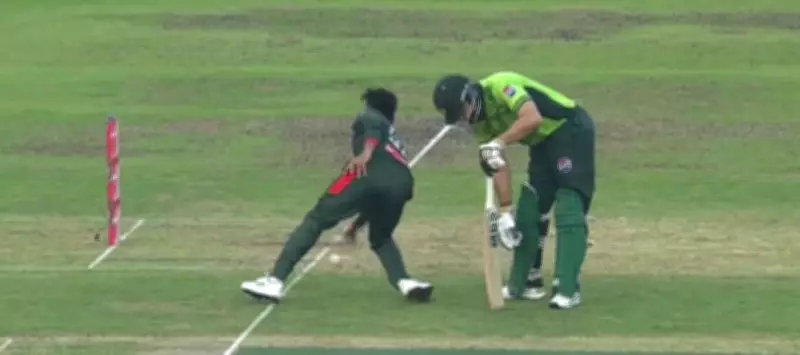
The controversial moment unfolded during the 39th over of Pakistan's innings when a seemingly routine play turned into a viral cricket controversy. Mohammad Rizwan nudged the ball to the right of Bangladesh bowler Mehidy Hasan Miraz, who moved across to stop it with his boot. At that precise moment, Agha was standing out of his crease, and the two players experienced a slight collision as the ball came to rest near their feet.
Believing the ball had effectively become dead, Agha bent down to retrieve it and return it to the bowler—a common courtesy gesture in cricket. However, Bangladesh captain Mehidy Hasan Miraz reacted with remarkable quickness, grabbing the ball and executing an underarm throw that dislodged the bails with Agha clearly outside his crease.

Third Umpire Review and Heated On-Field Exchanges
On-field umpire Tanvir Ahmed immediately referred the decision to the third umpire for review. After carefully examining multiple camera angles and slow-motion replays, the third umpire determined that the ball was still technically in play at the moment Mehidy collected it. This crucial interpretation meant that the Bangladesh captain's actions were completely within the laws of cricket, resulting in Agha being given out.
The dismissal triggered immediate and heated exchanges between Agha and Mehidy, with Bangladesh wicketkeeper Litton Das also becoming involved in the animated discussion. Teammates from both sides eventually intervened to calm the escalating situation before it could develop further.
Agha departed the crease after compiling an impressive 64 runs from just 62 deliveries, including seven boundaries and two maximums. His dismissal proved particularly costly as Pakistan had been building momentum toward a substantial total.
Pakistan's Dramatic Collapse Following Controversial Dismissal
Pakistan's innings, which had begun with exceptional promise, unraveled dramatically following Agha's controversial exit. Young opening batsman Maaz Sadaqat had set an explosive tone for the visitors, reaching his half-century in just 31 balls while aggressively taking on Bangladesh's pace attack.
The tourists raced to a century-plus opening partnership, establishing what appeared to be an ideal platform for a commanding total. Later, another century stand between Rizwan and Agha further solidified Pakistan's commanding position in the match.
However, the turning point arrived with Agha's disputed dismissal. Pakistan's batting lineup collapsed spectacularly thereafter, losing their final seven wickets for a mere 43 runs as they were bowled out for 273 before completing their full 50-over allocation.
Broader Context and Series Implications
This controversial incident occurred during Pakistan's ongoing tour of Bangladesh for a three-match ODI series. The hosts entered the second match with series momentum after securing victory in the opening encounter. The dramatic events of the second ODI have now added an extra layer of intensity and discussion to the bilateral contest.
Cricket enthusiasts and former players have taken to various social media platforms to debate whether Mehidy's actions, while technically legal, violated the unwritten spirit of cricket that has long been considered integral to the sport's ethos. Some have praised the Bangladesh captain's quick thinking and awareness of the laws, while others have criticized what they perceive as gamesmanship that goes against cricket's traditional values.
The incident has reignited ongoing conversations about where to draw the line between competitive advantage and sportsmanship in modern cricket, particularly as the game becomes increasingly professionalized and results-driven.