The recent Ashes series has ignited a fierce debate about the future of spin bowling in Australia. The art, once a celebrated part of the country's cricketing fabric, appears to be fading into the background, with the national team opting not to field a specialist spinner in three of the five Tests. This trend has left young aspiring tweakers questioning their future in the sport.
The Ashes Wake-Up Call: A Test Without Spin
The alarm bells rang loudest during the Melbourne Test, which marked a historic and worrying first: it was the first Test match in Australia where not a single over of spin was bowled. The trend continued at the Sydney Cricket Ground (SCG), a venue synonymous with turn for 138 years, where Australia again went without a specialist spinner. This dramatic shift from tradition has sent shockwaves through the cricketing community, prompting soul-searching about the conditions and culture shaping the game.
Experts Pinpoint the Root Causes
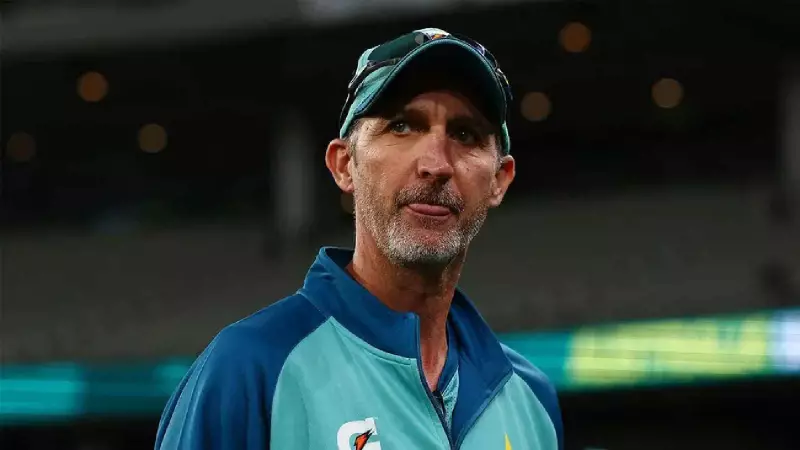
Speaking to ABC Sport, former Australian fast bowler and commentator Jason Gillespie acknowledged the challenge. He stressed that spinners must evolve to stay relevant. "Spinners are going to need to learn how to bowl on different surfaces, surfaces that may not encourage spin," Gillespie stated. He understood the tactical choice in a short series but emphasised the long-term need for adaptability. "Our young spinners need to learn how to bowl in all conditions, not just in spin-friendly conditions," he urged.

The sentiment is echoed at the grassroots level. Young bowlers like 19-year-old leg-spinner Paawan Sharma from Geelong expressed the difficulty. "It's obviously hard with the pitches in Australia, they don't offer much to spinners," Sharma said, highlighting that pace-friendly tracks provide little value for those who spin the ball.
Former Australian spinner Ray Bright pointed to the nature of the pitches and a perceived lack of systemic support. He noted that the Ashes wickets remained "green and grassy from day one" and never deteriorated, nullifying a spinner's traditional advantage. Bright also questioned the coaching ethos: "I don't know how much effort has been put into developing and encouraging them. We need captains and coaches to give [young spinners] a bowl."
Drop-In Pitches and a Changing Game
Peter Buchanan from the Frankston-Peninsula Cricket Club identified modern drop-in pitches as a major factor, calling them more conducive to medium and fast bowling. This shift in pitch technology, combined with the constraints of white-ball formats at junior levels, is creating a perfect storm. "Young cricketers are only allowed to bowl a certain amount of overs... as a spin bowler you actually need to bowl lots of overs to improve your craft," Buchanan explained, noting that the patient development spinners require is at odds with modern playing schedules.
The concern has trickled down to the youngest generation. During the Sydney Test, a 12-year-old aspiring spinner named Boyd messaged ABC Sport asking why the national team was making it so hard for young spinners to dream of Test cricket. This poignant question underscores the crisis of confidence facing the discipline.
Despite the bleak outlook, there is a stubborn hope. Paawan Sharma remains optimistic, believing the art will evolve. "Spin bowling is always going to keep evolving... spinners will keep finding a way to get up there because we are an important part of the team," he mulled. The consensus among experts is clear: without intentional intervention in pitch preparation, coaching priorities, and opportunities for young talent, spin bowling in Australia risks becoming a dying art, leaving the nation's attack dangerously one-dimensional.