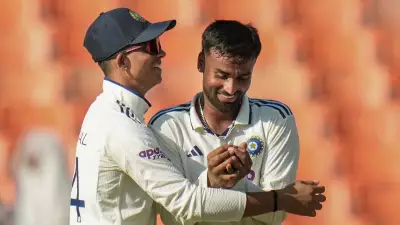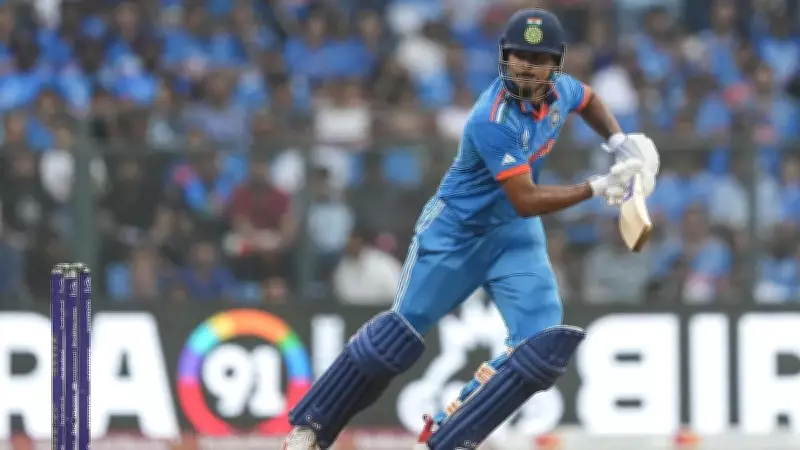
Shreyas Iyer is poised to take over as India's T20I captain for the upcoming tour of the United Kingdom, which includes matches against Ireland and England. The announcement comes as the Board of Control for Cricket in India (BCCI) looks to groom future leadership talent ahead of major tournaments.
Tour Schedule and Format
The tour will commence with two T20 Internationals against Ireland on June 26 and 28 in Belfast. Following that, the team will travel to England for a series comprising five T20Is and three One-Day Internationals (ODIs), beginning on July 1. This packed schedule offers India a chance to test their bench strength across formats.
Iyer's Leadership Credentials
Shreyas Iyer has previously captained Delhi Capitals in the Indian Premier League (IPL) and has led India in a few limited-overs matches. His aggressive batting style and tactical acumen have impressed the selectors, making him a natural choice for the role. The BCCI is keen on providing Iyer with consistent leadership opportunities to build a strong core for the T20 format.

Key Players and Squad Dynamics
While senior players like Suryakumar Yadav and Tilak Varma are expected to be part of the squad, the captaincy decision signals a shift towards younger leadership. Iyer's appointment is seen as a strategic move to prepare for the next T20 World Cup. The team management will be looking to strike a balance between experience and youth during this tour.
Implications for Indian Cricket
This decision underscores the BCCI's focus on developing a robust leadership pipeline. With several senior players approaching the twilight of their careers, grooming captains like Iyer ensures continuity. The tour will also serve as a platform for emerging players to stake their claim for permanent spots in the national team.
Fans and analysts alike will be keen to see how Iyer handles the pressure of leading the side in challenging overseas conditions. The series against Ireland and England promises to be a thrilling contest, with both teams looking to fine-tune their strategies ahead of future international commitments.