Shoaib Akhtar Performs Dramatic U-Turn on PCB Chief Mohsin Naqvi
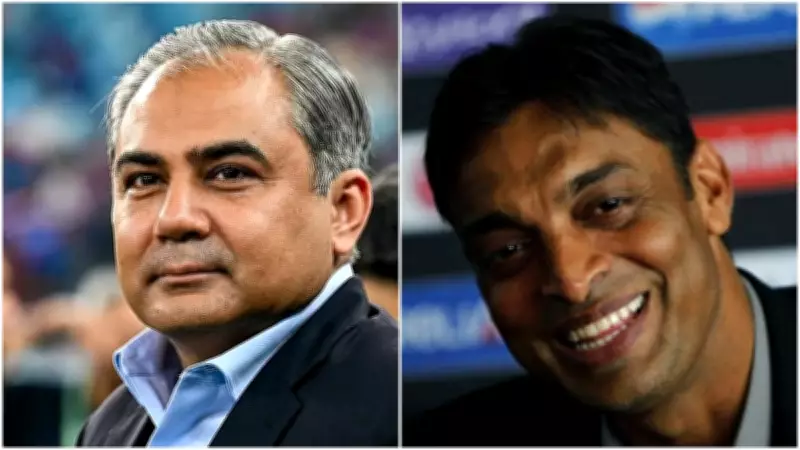
In a surprising reversal of stance, former Pakistani fast bowler Shoaib Akhtar has publicly described Pakistan Cricket Board (PCB) chairman Mohsin Naqvi as "a good man", just days after launching a scathing verbal attack against him. This abrupt change in tone follows Pakistan's disappointing 61-run defeat to arch-rivals India in a crucial T20 World Cup group stage match held in Colombo on Sunday.
From Harsh Criticism to Unexpected Praise
The cricketing world was taken aback when Akhtar, known for his outspoken nature, initially lashed out at Naqvi in the immediate aftermath of the high-stakes encounter. In his post-match analysis, the former pace sensation did not mince words, bluntly terming the PCB chief as "incompetent and illiterate" regarding cricket administration. His comments reflected the intense frustration and disappointment felt by many Pakistani fans after the team's underwhelming performance against their traditional rivals.
However, in a remarkable turn of events, Akhtar has now softened his stance considerably. During a recent media interaction, he stated, "Mohsin is a good man. I have had the chance to reflect, and while the loss was painful, my earlier remarks were made in the heat of the moment." This public retraction marks a significant shift from his previous fiery condemnation and suggests a possible attempt to mend fences with the cricket board's leadership.

The Context: A Crushing Defeat in Colombo
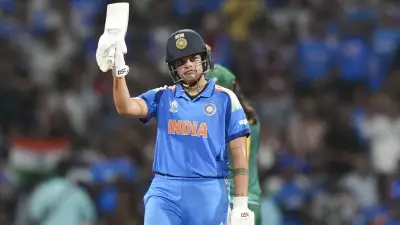
The trigger for this entire episode was Pakistan's significant 61-run loss to India during the T20 World Cup. The match, played at the R. Premadasa Stadium in Colombo, saw India post a competitive total before their bowlers dismantled the Pakistani batting lineup. The defeat placed Pakistan's tournament progression in jeopardy and ignited a wave of criticism from former players, analysts, and supporters alike, questioning team strategy, selection, and overall board management.
Akhtar's initial outburst was part of this broader critique. He specifically targeted the PCB's top brass, holding the leadership accountable for the team's perceived lack of preparation and direction. His comments quickly went viral, adding fuel to the ongoing debate about the state of Pakistani cricket governance.
Analyzing the Sudden Change of Heart
Sports analysts are now speculating on the reasons behind Akhtar's rapid U-turn. Several potential factors could be at play:
- Personal Reflection: Akhtar may have genuinely reconsidered his harsh words after emotions settled following the high-pressure match.
- Diplomatic Pressure: There might have been behind-the-scenes communications encouraging a more conciliatory public stance to maintain harmony within Pakistani cricket circles.
- Media Strategy: The retraction could be a calculated move to avoid prolonged controversy and keep the focus on the team's future matches in the tournament.
- Revised Assessment: Akhtar might have received new information or perspectives that altered his view of Chairman Naqvi's role and challenges.
Regardless of the motivation, this episode highlights the intense scrutiny and emotional volatility surrounding Pakistan-India cricket clashes, where results often transcend sport and ignite national conversations about leadership and accountability.
Broader Implications for Pakistan Cricket
This public spat and its subsequent resolution underscore the perennial tensions between former cricketers and cricket board administrators in Pakistan. The PCB has historically faced criticism from ex-players regarding its management style and decision-making processes. Akhtar's comments, and his decision to walk them back, reflect this complex dynamic.
As Pakistan looks to regroup after the loss to India, the focus will inevitably return to the field. However, this incident serves as a reminder of how off-field narratives can sometimes overshadow on-field performances, especially in the cauldron of a World Cup featuring the sport's most storied rivalry. The cricket community will be watching closely to see if this public reconciliation leads to a more unified front as Pakistan continues its T20 World Cup campaign.