Shoaib Akhtar Lambasts PCB Chief Mohsin Naqvi After Pakistan's Loss to India in Colombo
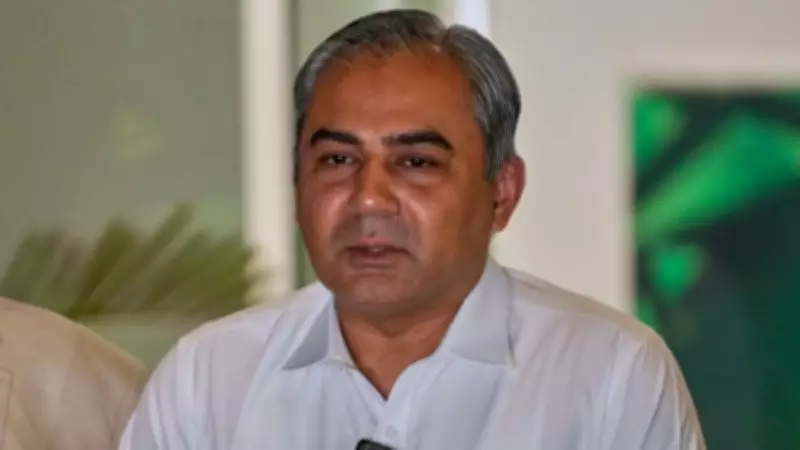
Former Pakistan fast bowler Shoaib Akhtar has unleashed a fierce critique of Pakistan Cricket Board (PCB) chairman Mohsin Naqvi in the aftermath of Pakistan's defeat to arch-rivals India in a recent match held in Colombo. The loss, which has sparked widespread disappointment among fans and analysts, prompted Akhtar to voice his concerns about the state of leadership and management within the national cricket setup.
Akhtar's Scathing Remarks on Leadership Failures
In a strongly worded statement, Shoaib Akhtar did not mince words as he targeted Mohsin Naqvi, accusing the PCB chief of failing to provide effective guidance and support to the team. Akhtar emphasized that the loss to India was not merely a result of on-field performance but reflected deeper issues within the cricket board's administration. He highlighted what he perceives as a lack of strategic vision and accountability at the top levels, suggesting that such shortcomings have contributed to Pakistan's inconsistent performances in international cricket.
"The defeat in Colombo is a wake-up call," Akhtar asserted, "and it's high time the PCB leadership takes responsibility for the team's direction." He pointed out that under Naqvi's tenure, there have been ongoing challenges, including team selection controversies and management decisions that have drawn criticism from various quarters. Akhtar's comments underscore a growing sentiment among former players and experts who believe that structural reforms are urgently needed to revive Pakistan's cricketing fortunes.

Analysis of the Colombo Match and Its Implications
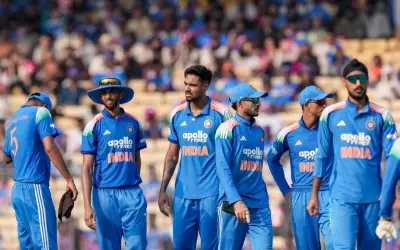
The match in Colombo, part of a high-stakes series, saw India secure a convincing victory over Pakistan, adding to the historical rivalry between the two nations. While the on-field action was intense, Akhtar's post-match focus shifted to the off-field dynamics, arguing that the PCB's leadership must be held accountable for such outcomes. He noted that losses in crucial matches against India not only affect team morale but also have significant repercussions for Pakistan's standing in world cricket.
Akhtar further elaborated on specific areas where he believes the PCB has faltered:
- Team Management: Questioning the coherence and effectiveness of the coaching and support staff.
- Player Development: Highlighting concerns over the nurturing of young talent and long-term planning.
- Strategic Decisions: Criticizing recent policies and appointments that have sparked debate within the cricketing community.
These points reflect broader issues that have plagued Pakistan cricket in recent years, with Akhtar urging for a comprehensive review and overhaul to ensure better results in future encounters.
Reactions and Broader Context in Pakistan Cricket
Shoaib Akhtar's outburst is not an isolated incident; it comes amid a series of criticisms directed at the PCB under Mohsin Naqvi's leadership. Other former cricketers and analysts have also expressed dissatisfaction with the board's handling of various matters, from financial management to grassroots development. The loss to India has amplified these concerns, putting additional pressure on Naqvi and his team to address the underlying problems.
In response, the PCB has yet to issue an official statement regarding Akhtar's comments, but insiders suggest that the board is aware of the growing discontent. The situation highlights the intense scrutiny faced by cricket administrators in Pakistan, where the sport holds immense cultural and emotional significance. As debates rage on social media and in sports circles, the call for transparency and reform grows louder, with many hoping that this episode will catalyze positive changes.
Looking ahead, the focus will be on how the PCB navigates this criticism and whether it leads to tangible improvements in team performance and governance. For now, Shoaib Akhtar's vocal stance serves as a stark reminder of the high expectations and passionate following that define cricket in Pakistan, especially in matches against traditional rivals like India.