Sanju Samson's Inconsistent Form Creates Selection Headache for Team India
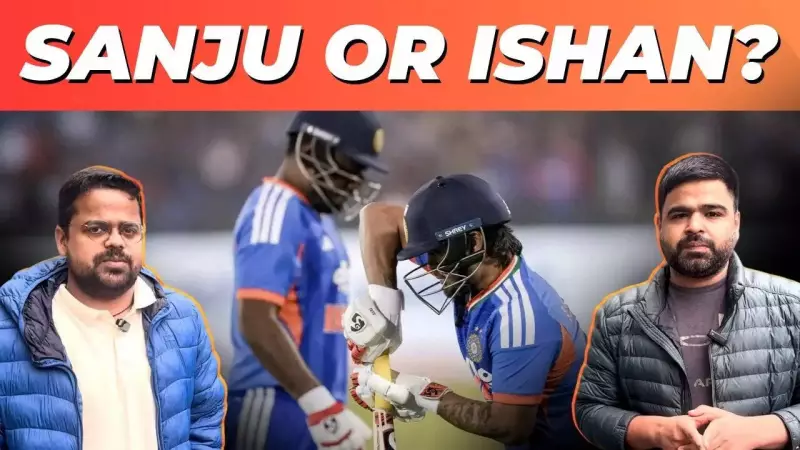
The ongoing debate surrounding Sanju Samson's place in the Indian cricket team has intensified as his inconsistent performances continue to raise significant questions for selectors and team management. With crucial tournaments on the horizon, the spotlight has shifted to whether Ishan Kishan might offer a more dependable solution across all formats of the game.
The Persistent Samson Conundrum
Sanju Samson's career has been characterized by flashes of brilliance interspersed with prolonged periods of underwhelming performances. Despite receiving multiple opportunities to cement his position in the national squad, the talented wicketkeeper-batsman has struggled to deliver consistent results that match his undeniable potential. This pattern has created a genuine selection dilemma for the Indian think tank, particularly as they prepare for important upcoming series and global tournaments.
The fundamental issue revolves around Samson's inability to convert promising starts into match-winning contributions on a regular basis. While he has demonstrated his capability to play spectacular innings that capture public imagination, these performances have been too sporadic to justify automatic selection in a competitive Indian batting lineup. Team management now faces the difficult task of balancing patience with performance expectations as they evaluate their options.

Ishan Kishan's Emerging Credentials
In contrast to Samson's fluctuating fortunes, Ishan Kishan has gradually built a compelling case for more consistent inclusion across formats. The left-handed batsman has shown remarkable adaptability in different roles and conditions, displaying both aggression when required and temperament in pressure situations. His recent performances have highlighted a growing maturity that makes him an attractive alternative for the selection committee.
Kishan's versatility represents a significant advantage in modern cricket's demanding schedule. He has proven capable of opening the innings in limited-overs formats while also adapting to middle-order responsibilities when required. This flexibility, combined with his wicketkeeping skills, provides team management with valuable tactical options that could prove crucial in tournament scenarios where squad depth and adaptability often determine success.
Role Clarity and Team Balance Considerations
The selection debate extends beyond individual statistics to encompass broader team dynamics and role clarity. Indian cricket has reached a stage where specialized roles have become increasingly important, particularly in white-ball formats where specific skill sets can make decisive differences in high-pressure matches.
Team management must weigh several factors in their evaluation:
- Consistency versus potential: Balancing proven reliability against untapped talent
- Format-specific requirements: Different formats demand different skill sets and temperaments
- Team composition: How each player fits into the overall batting order and team strategy
- Future planning: Building towards major tournaments while maintaining current performance standards
This decision-making process becomes particularly complex when considering the different demands of Test cricket, One Day Internationals, and Twenty20 matches. Each format requires specific approaches, and players must demonstrate adaptability across these variations to secure long-term positions in the national setup.
The Path Forward for Indian Cricket
As Indian cricket enters another crucial phase with important series and tournaments approaching, the selection committee faces challenging decisions that could shape the team's fortunes. The Samson-Kishan debate represents more than just a choice between two talented cricketers; it reflects broader questions about team philosophy, player development, and strategic planning.

The coming months will likely provide clearer indications about which direction the team management intends to pursue. Both players will have opportunities to state their cases through domestic performances and any international chances they receive. Ultimately, the decision may come down to which player demonstrates greater consistency, adaptability, and mental fortitude under pressure – qualities that separate good cricketers from great ones in the demanding arena of international competition.
This ongoing selection discussion highlights the healthy competition for places that characterizes contemporary Indian cricket. With multiple talented players vying for limited positions, the team benefits from increased depth and competitive intensity that ultimately strengthens the national squad across all formats of the game.