Australian cricketers have long held a formidable reputation for their aggressive on-field chatter, a trait equally prevalent in their women's team. However, the Indian women's cricket team is increasingly finding its voice, delivering sharp retorts that match their competitive spirit. A delightful instance of this emerging wit was recently shared by batter Jemimah Rodrigues, highlighting a memorable exchange between wicketkeeper Richa Ghosh and Australian stalwart Alyssa Healy.
The 'Mommy' Retort That Silenced the Aussies
Recounting the incident during a Test match, Rodrigues explained she was constantly encouraging her batting partner, Richa Ghosh, between overs. This prompted Australian wicketkeeper Alyssa Healy to quip from behind the stumps, "Hey, your mommy is talking to you, go listen to her!"
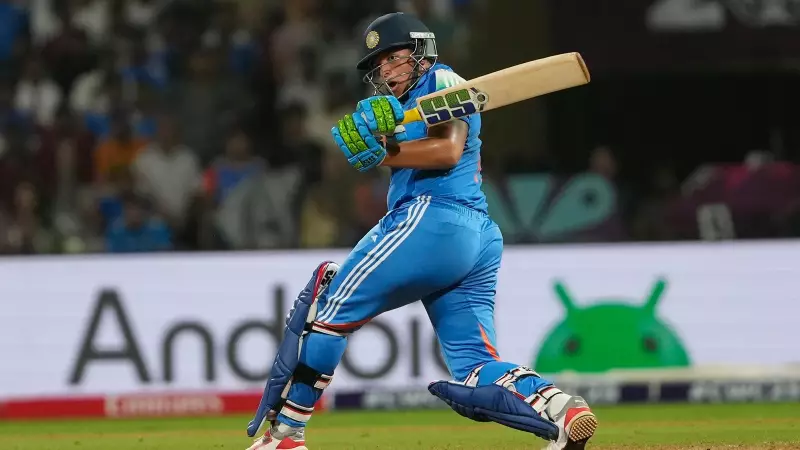
Ghosh, however, had the perfect reply ready. On the very first ball of the subsequent over, she unleashed a powerful square cut that raced to the boundary for four. Turning back to Healy, Ghosh fired back, "Mommy told me to hit a four!" This quick-witted response showcased not just Ghosh's batting prowess but also a newfound confidence in engaging in the psychological battles of the game.
From Rivals to Friends: The WPL and WBBL Effect
Rodrigues, in her conversation for the 'Breakfast with Champions' show, pointed to a significant shift in the dynamic between the two teams. "I don't think we used to speak a lot to the Aussies. But after the Women's Premier League (WPL) and the Women's Big Bash League (WBBL), I think we have made some of our best friends from the Australian team," she revealed.
This cross-pollination through franchise leagues has broken down barriers, fostering camaraderie and mutual respect off the field, even as the on-field rivalry remains intensely competitive.
The 'Bucket Hat Cult': Fans Who Bully the Bullies
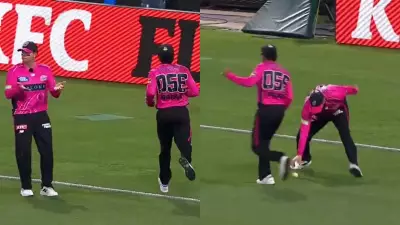
Rodrigues also credited the passionate fan group, the 'Bucket Hat Cult', for adding a new dimension to home games. She proudly called herself their brand ambassador for their innovative support. During a Test at Mumbai's Wankhede Stadium, the group famously targeted Australian player Tahlia McGrath after a misfield.
They broke into a loud, catchy chant: "She can't see the ball! She can't see the ball! Taaliya McGrath, she can't see the ball!" Rodrigues described this as a refreshing role reversal. "It was like the first time that people from the outside were bullying the Aussies. It was nice!" she said.
The chants were so popular that the Indian team would repeat them in the dressing room. The impact was tangible, as Rodrigues added, "We spoke to the Aussies later after the tournament was over, and they were like, 'It was actually affecting us!'"
This evolution—from hesitant newcomers to confident competitors who can give as good as they get, both on the pitch and in the mind games—signals the growing stature and self-belief of Indian women's cricket. The blend of fierce rivalry and genuine friendship, forged in global leagues, is defining a new era for the sport.