Jonty Rhodes Weighs In on Bangladesh's T20 World Cup 2026 Boycott Decision
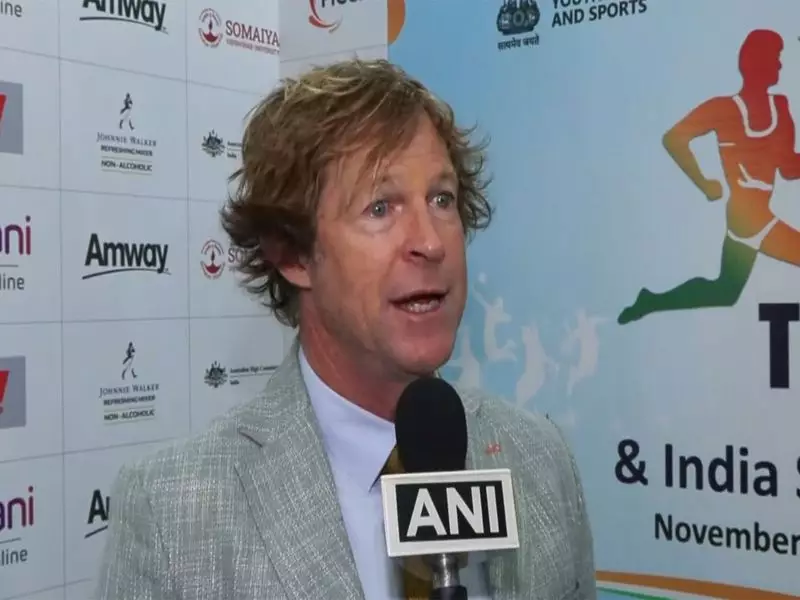
In a recent development that has stirred the cricketing world, South African cricket icon Jonty Rhodes has shared his perspective on Bangladesh's controversial decision to not participate in the T20 World Cup 2026, which is scheduled to be hosted by India. Rhodes, renowned for his fielding prowess and insightful commentary, emphasized that politics and sport are inherently intertwined, making it impossible to separate the two domains.
The Context of Bangladesh's Withdrawal
Bangladesh's announcement to boycott the upcoming T20 World Cup in India comes against a backdrop of ongoing geopolitical tensions and diplomatic strains between the two neighboring nations. This decision has sparked widespread debate within the international cricket community, raising questions about the impact of political relations on global sporting events.
Rhodes, in his remarks, highlighted how such scenarios are not uncommon in the world of sports, where national policies and international relations often influence participation and hosting rights. He pointed out that cricket, like many other sports, serves as a platform where political narratives can play out, affecting teams, players, and fans alike.

Rhodes' Views on the Inseparability of Politics and Sport
Elaborating on his stance, Rhodes stated, "You can't separate politics from sport." He explained that sports events, especially those of global significance like the T20 World Cup, are deeply embedded in the socio-political fabric of participating countries. Factors such as bilateral ties, security concerns, and national interests frequently dictate decisions related to international competitions.
Furthermore, Rhodes noted that this interconnection is evident in various instances across different sports, where boycotts, protests, or withdrawals have been used as tools to convey political messages or address grievances. He stressed that while the primary focus should remain on the game and athletic excellence, the reality of political influences cannot be ignored.
Implications for the T20 World Cup 2026 and Beyond
The absence of Bangladesh from the T20 World Cup 2026 could have several repercussions:
- Competitive Dynamics: The tournament might see a shift in team compositions and match schedules, potentially affecting the overall competitiveness and excitement for fans.
- Diplomatic Relations: This move could further strain India-Bangladesh relations, with possible long-term effects on future cricketing collaborations and bilateral sports exchanges.
- Global Perception: It may influence how other nations view the integration of politics in sports, possibly leading to more cautious approaches in hosting or participating in international events.
Rhodes also touched upon the broader implications for cricket governance, suggesting that governing bodies like the International Cricket Council (ICC) might need to address such political challenges more proactively to ensure the sport's growth and inclusivity.
Conclusion: A Reflection on Modern Sports
In conclusion, Jonty Rhodes' comments shed light on the complex relationship between politics and sport, particularly in the context of Bangladesh's decision regarding the T20 World Cup 2026. As the cricketing community navigates these turbulent waters, his insights serve as a reminder of the multifaceted nature of international sports, where athleticism and diplomacy often intersect.
This situation underscores the need for ongoing dialogue and understanding among nations to foster a sporting environment that transcends political differences, ensuring that events like the T20 World Cup continue to unite fans worldwide through the spirit of cricket.