Sri Lankan Cricketer Bhanuka Rajapaksa Alleges Indian Players Use 'Special Bats'
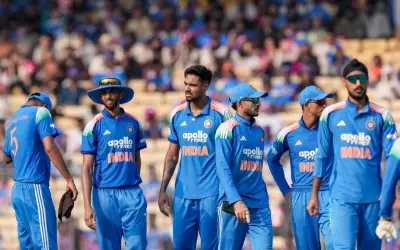
Sri Lanka batter Bhanuka Rajapaksa has ignited a fiery controversy by accusing Indian cricketers of employing 'special bats' that generate unusually high power, suggesting an unfair advantage. His remarks emerged following Sri Lanka's 20-run victory over Ireland in Colombo during the ICC Men's T20 World Cup 2026, casting a shadow over equipment integrity in international cricket.
Rajapaksa's Explosive Claims on Bat Superiority
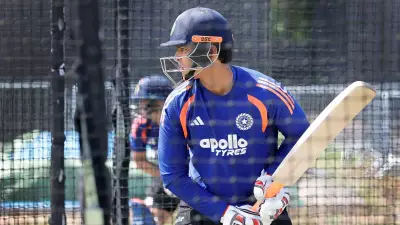
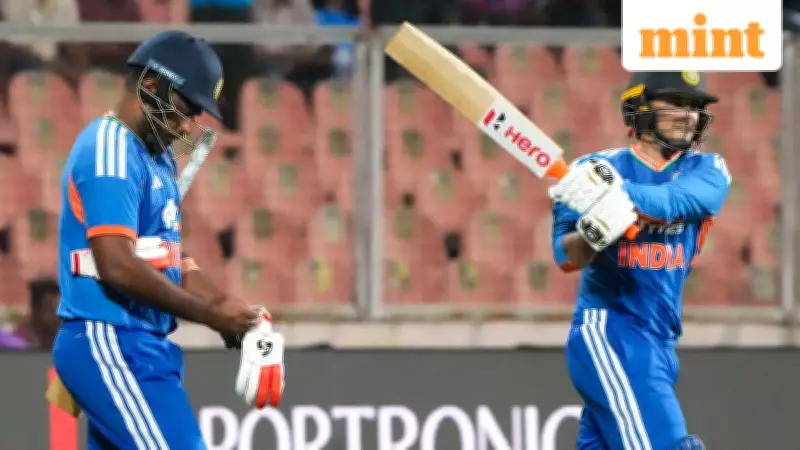
In an interview quoted by NewsWire, Rajapaksa stated, "Indian players have bats that are far superior to the best bats we get. It feels as though a layer of rubber has been applied. I can’t imagine how that’s possible. These bats can’t even be bought by others — all players know this." He further asserted that these bats produce more power, raising questions about compliance with ICC regulations.
ICC Rules and Equipment Inspections
The International Cricket Council mandates strict guidelines: bats must be crafted solely from wood, adhering to precise size and material limits. Any concealed or power-enhancing substances constitute a breach, detectable through routine inspections during matches. Violations can lead to penalties, emphasizing the importance of fair play.

Understanding 'Player Edition' Bats
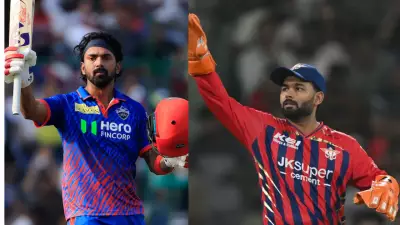
Rajapaksa's allegation holds truth in a specific context. Professional cricketers often use customised 'player edition' bats, tailored to individual preferences and unavailable in retail stores. For instance, Virat Kohli and Rohit Sharma utilize bats with unique profiles—Kohli's features a high, thick spine tapering to a flat toe, while Rohit's employs a mid-to-low swell design, as per CIEL Sports. These bats are shaped, weighted, and balanced to optimize swing, strength, and timing, explaining why exact replicas are inaccessible to the public.
Sponsorship and Manufacturing Nuances
Although brands like SG, SS, MRF, or CEAT appear on bat blades, they may not manufacture the equipment themselves. ICC regulations permit registered sponsors to place logos on bats they market, even if production is handled by specialists such as SG, SS, BDM, or BAS. This system legally functions as advertising space controlled by players, with equipment ownership resting with individuals once acquired.
Historical Context: Past Allegations Against India
This is not the first time India has faced equipment-related accusations. During the ICC World Cup 2023, former Pakistan cricketer Hasan Raza claimed India received different balls for enhanced swing and seam, urging ICC inspection. Pakistani legends like Wasim Akram humorously dismissed the notion, stating, "I want to have the same thing these guys are having, sounds like fun. Mind is not there. You are not only embarrassing yourself but us too." Misbah-ul-Haq and Shoaib Malik also refuted the allegations, with Malik noting, "Instead of learning from them, we think negatively that something is fishy."
Broader Implications for Cricket Fairness
Rajapaksa's comments spark a broader debate on equipment parity in cricket, highlighting tensions between technological advancements and regulatory compliance. As the T20 World Cup 2026 progresses, fans can follow live action, schedules, points tables, and leaderboards for most runs and wickets, keeping the focus on sportsmanship and skill.