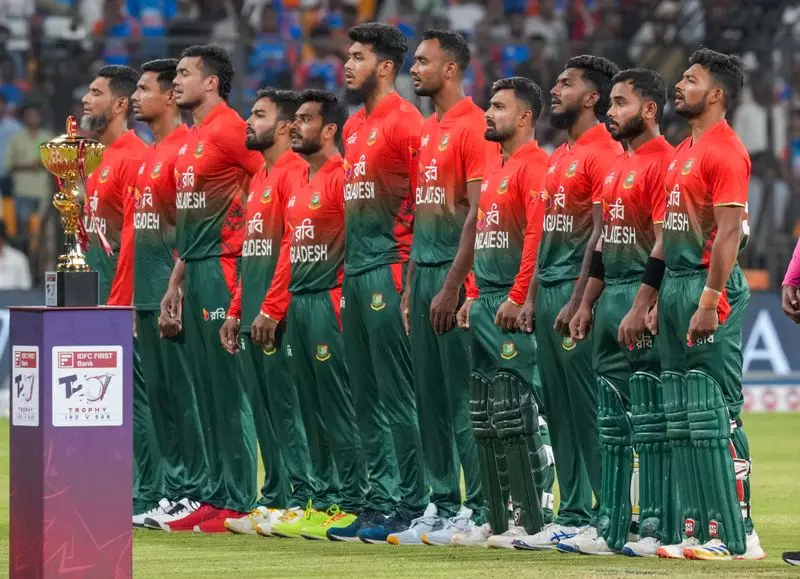
Global Players' Association Voices Disappointment Over Bangladesh's T20 World Cup Elimination
The Federation of International Cricketers' Associations (FICA), the worldwide representative body for professional cricketers, has publicly expressed its sadness following Bangladesh's exit from the ongoing T20 World Cup. This statement highlights the broader impact of the team's performance on the international cricket community.
FICA's Official Reaction to the Tournament Development
In a recent communication, FICA described Bangladesh's departure from the prestigious tournament as a sad moment for the global cricketing fraternity. The organization, which advocates for players' rights and welfare across all major cricket-playing nations, emphasized that such exits affect not just the national team and its supporters but also the wider ecosystem of the sport.
The sentiment reflects a recognition of Bangladesh's growing stature in international cricket and the potential they brought to the competition. Over the years, Bangladesh has emerged as a competitive force, particularly in the shorter formats of the game, making their early exit a notable event.

Context of Bangladesh's Campaign in the T20 World Cup
Bangladesh's journey in this edition of the T20 World Cup was marked by high expectations, given their recent performances and a squad blend of experienced players and emerging talents. However, they faced stiff competition in their group, ultimately falling short of advancing to the knockout stages.
Key factors contributing to their exit included:
- Inconsistent batting performances in crucial matches.
- Challenges in adapting to varying pitch conditions across venues.
- Strong opposition from other teams in a highly competitive group.
This outcome has sparked discussions among analysts and fans about the team's strategies and future prospects in global tournaments.
Implications for International Cricket and Player Morale
FICA's expression of sadness underscores the interconnected nature of modern cricket, where the fortunes of one team can resonate across borders. The organization often highlights how tournament results influence:
- Player morale and career trajectories for those involved.
- The economic and viewership dynamics of the sport, especially in cricket-loving regions like South Asia.
- Opportunities for global exposure and development of cricket in emerging nations.
Bangladesh's exit, therefore, is seen not just as a national setback but as a moment that diminishes the diversity and competitive spirit of the World Cup stage.
Looking Ahead: Lessons and Future Endeavors
In light of this, cricket experts suggest that Bangladesh can use this experience as a learning curve. Focus areas for improvement might include:
- Enhancing mental toughness and pressure handling in high-stakes games.
- Investing in youth development programs to build a more resilient squad.
- Strengthening domestic cricket structures to better prepare players for international challenges.
FICA's statement serves as a reminder of the collective interest in seeing all teams perform at their best, contributing to a vibrant and unpredictable tournament. As the T20 World Cup progresses, the cricket community will continue to monitor how such events shape the narrative of the sport worldwide.