Pakistan's T20 World Cup Campaign Stumbles with Meek Surrender to India
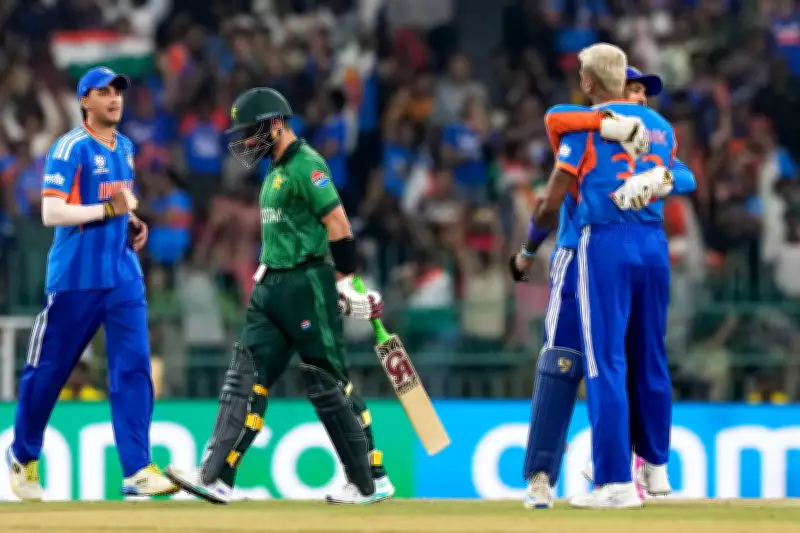
The highly anticipated India-Pakistan clash at the Premadasa Stadium in Colombo on Sunday left cricket enthusiasts bewildered, as Pakistan delivered a performance that can only be described as a timid surrender. Despite possessing the spinners to exploit slow pitch conditions, the team appeared to have learned nothing from their recent hat-trick of Asia Cup defeats, collapsing well before the game could evolve into a genuine contest.
A Questionable Toss Decision Sets the Tone
From the outset, Pakistan's strategy raised eyebrows. Winning the toss and opting to field first on a pitch expected to slow down proved to be a critical misstep. This decision placed immense pressure on their batting lineup, which has consistently struggled under such circumstances. Former Indian spinner R Ashwin expressed his surprise, stating, "I was surprised to see Pakistan choose to field after winning the toss. That's where they lost half the game."
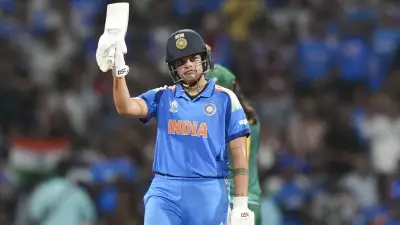
Pakistan coach Mike Hesson defended captain Salman Agha's call, attributing the loss to India's superior execution. "The pitch didn't slow down and it spun less in the second innings. So you have to look at the facts rather than be emotional. It was the quality of the bowling in the first six overs and the way Ishan played that took the game away from us," Hesson explained in a post-match press conference.

Bowling Inconsistencies and Batting Failures
Pakistan's bowling attack, touted for its spin prowess, failed to deliver under pressure. While Usman Tariq brings an X-factor with wickets in 24 consecutive T20 games and an economy rate of 5.93 in T20Is, the overall unit lacked penetration. Pace spearhead Shaheen Afridi's poor form continued, as he conceded 31 runs in two crucial overs, a significant leakage in a low-scoring encounter.
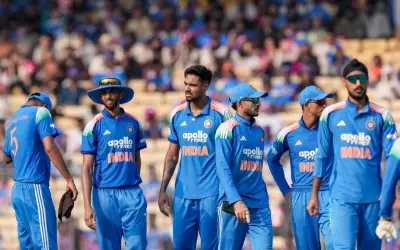
In stark contrast, India's pacers Jasprit Bumrah and Hardik Pandya bowled five overs, giving away only 33 runs while claiming four wickets. Ashwin noted, "Afridi cannot bowl the hard length consistently on a pitch like this. And if he was bowling to Ishan, he should have tried something different."
The batting approach further compounded Pakistan's woes. Chasing 175 on a slow track, equivalent to 225 on most Indian pitches, required patience and calculated aggression. Instead, the team persisted with a slam-bang mentality that proved ineffective against a disciplined Indian attack. Former Pakistan captain Ramiz Raja lamented, "They learnt nothing from their Asia Cup losses. They keep trying the slam bang approach, which cannot work for them against a team as skilled as this India. But no player is ready to take the game deep."
Historical Context and Future Prospects
It is essential to acknowledge that India currently holds a superior cricketing stature, making an upset victory for Pakistan a rare occurrence. Historically, Indian teams from the mid-80s to early 200s managed occasional triumphs in World Cup games, the Independence Cup in Bangladesh, and the Sahara Cup in Toronto, despite Pakistan's overall dominance in subcontinental rivalries.
Passionate Pakistan fans rightfully yearn for such upsets, but the team's recent performances have fallen short of these expectations. The inability to adapt and learn from past mistakes has become a recurring theme.
Despite this setback, Pakistan's T20 World Cup journey is not over. A victory against Namibia on Wednesday could still secure their place in the Super-8s, where they would continue to play in Colombo. Supporters cling to hope that future opponents will not pose the same lethal challenge as India, but significant improvements in strategy and execution are urgently needed.
The latest ICC Men's T20 World Cup 2026 updates, including the full schedule, team standings, live scores, points table, and key statistics such as top run-scorers and wicket-takers, remain crucial for tracking the tournament's progression.