Pakistan's Strategic Moves Against Namibia Were Pre-Planned, Says Coach Hesson
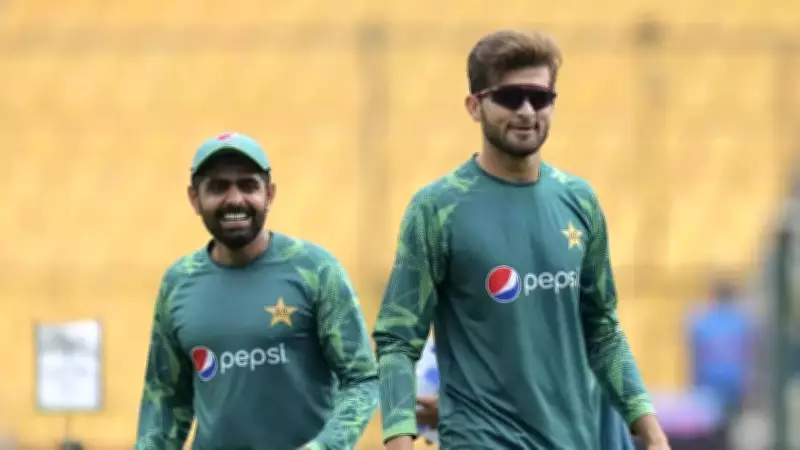
In the wake of a heavy defeat against India in the T20 World Cup group-stage match, Pakistan made notable changes to their lineup for a must-win game against Namibia. The team dropped ace left-arm pacer Shaheen Afridi and demoted star batter Babar Azam, sparking speculation that these moves were reactions to the loss. However, head coach Mike Hesson firmly rejected such suggestions on Friday, emphasizing that the decisions were purely tactical.
Hesson Dismisses Notions of Reactive Changes
Speaking in a media interaction, Hesson addressed the changes directly. "No, I wouldn't say that Shaheen was dropped because of poor performance and Babar pushed down the order because of the loss to India," he stated. "I think, as I said, pacer Salman Mirza deserved his opportunity. And Babar was the first to recognise when left-arm spin was taking shape and it was turning that it wasn't a smart move to send out two right handers."
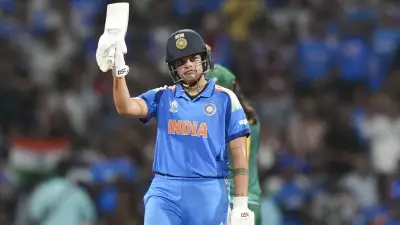
India had defeated Pakistan by 61 runs in the group-stage match, with Ishan Kishan playing a major innings to lead the win. In that game, Shaheen conceded 15 runs in his final over, while Babar managed only five runs. Despite these performances, Hesson insisted the adjustments were not a "paradigm shift" but rather about optimizing roles within the team.

Babar Azam's Role Reassessed for Powerplay Efficiency
Hesson elaborated on the decision to move Babar from the opening position, citing concerns over his scoring rate in the powerplay. "Babar is well aware that his strike rate in the powerplay in World Cups is less than 100 in T20s. Clearly, that's not a role that we think we need here," he explained. "We think he's a fine player through the middle, if required, in terms of if we're in a little bit of trouble, or as we saw against the USA. Once he gets himself set, he can increase his strike rate at that point."
Against Namibia, Babar did not bat as Sahibzada Farhan scored an unbeaten century and carried the innings, with Shadab Khan sent ahead of Babar. Hesson noted that Babar was not suited to come in around the 12th over when the team aimed to increase the scoring rate. "At that point, Babar Azam is not the best person to come in. We've got plenty of other options who can perform that role towards the end," he added.
Focus on Upcoming Matches and Team Strategy
Pakistan is set to face New Zealand in their Super 8 opener in Colombo on Saturday, with improving powerplay returns being a key focus. Hesson highlighted that Babar was brought back for a specific role post the Asia Cup to strengthen the middle order. "We wanted some batsmanship through the middle, and he certainly brings that for us," he said.
The coach reiterated that the changes were about leveraging players' skills effectively. "He knows that he's got a certain set of skills that the team require, and there are certain times where other players can perform that role more efficiently," Hesson concluded, underscoring the strategic nature of the decisions rather than any knee-jerk reactions to past results.