Pakistan Threatens T20 World Cup Boycott After Bangladesh Ouster Sparks Major Controversy
In a dramatic development that has sent shockwaves through the international cricket community, Pakistan has issued a stern threat to boycott the upcoming T20 World Cup. This bold move comes in direct response to the controversial ouster of Bangladesh from the tournament, which has ignited a firestorm of debate and raised serious questions about the integrity of the selection process.
The Bangladesh Ouster That Triggered the Crisis
The controversy centers on Bangladesh's unexpected elimination from the T20 World Cup, an event that has left many cricket analysts and fans bewildered. According to reports, Bangladesh's exit was not based on conventional performance metrics or tournament results but rather on a series of contentious decisions by the International Cricket Council (ICC). These decisions have been widely criticized as opaque and potentially biased, leading to accusations of unfair treatment towards certain cricket-playing nations.
Pakistan's cricket authorities have expressed deep frustration and anger over this situation, arguing that the ICC's actions undermine the spirit of fair competition. They contend that if a team like Bangladesh can be removed under questionable circumstances, it sets a dangerous precedent that could affect other nations in the future. This sentiment has resonated strongly within Pakistan's cricketing circles, where there is a growing sense of solidarity with Bangladesh and concern over the broader implications for the sport.

Pakistan's Firm Stance and the Threat of Boycott
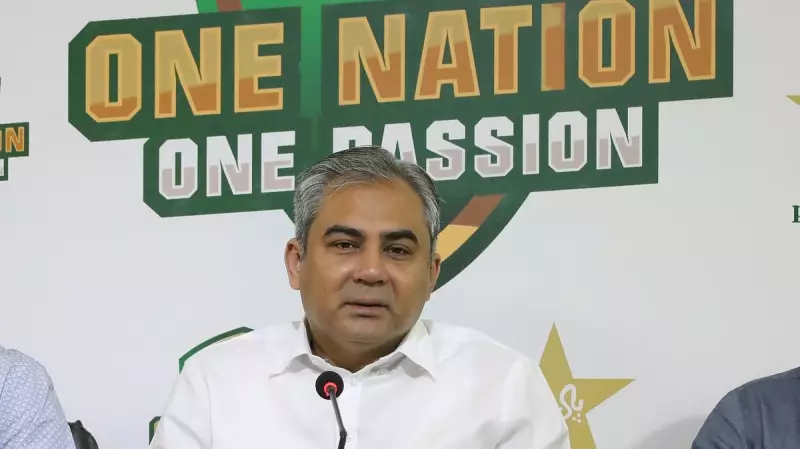
In response to the Bangladesh ouster, Pakistan has taken a firm and uncompromising stance. The Pakistan Cricket Board (PCB) has officially threatened to withdraw from the T20 World Cup unless the ICC addresses their concerns and provides a transparent explanation for Bangladesh's exclusion. This threat is not merely symbolic; it represents a significant escalation in the ongoing tensions between Pakistan and the ICC, which have been simmering for some time over various governance and fairness issues.
The potential boycott by Pakistan could have far-reaching consequences for the T20 World Cup, which is one of the most prestigious events in the cricket calendar. Pakistan is a major cricketing powerhouse with a rich history in the sport, and their absence would diminish the tournament's competitiveness and global appeal. Moreover, such a move could inspire other nations to reconsider their participation, potentially leading to a broader crisis in international cricket.
Broader Implications for International Cricket
This incident highlights deeper issues within the governance of international cricket, particularly concerning transparency and equity. The ICC has faced criticism in the past for its decision-making processes, and the Bangladesh ouster has brought these concerns to the forefront once again. Cricket fans and experts are calling for greater accountability and clearer criteria for tournament participation to prevent similar controversies in the future.
As the situation unfolds, all eyes are on the ICC to see how they will respond to Pakistan's ultimatum. The outcome could shape the future of cricket governance and influence how disputes are resolved in the sport. For now, the threat of a boycott looms large, casting a shadow over the T20 World Cup and underscoring the need for urgent reforms in international cricket administration.