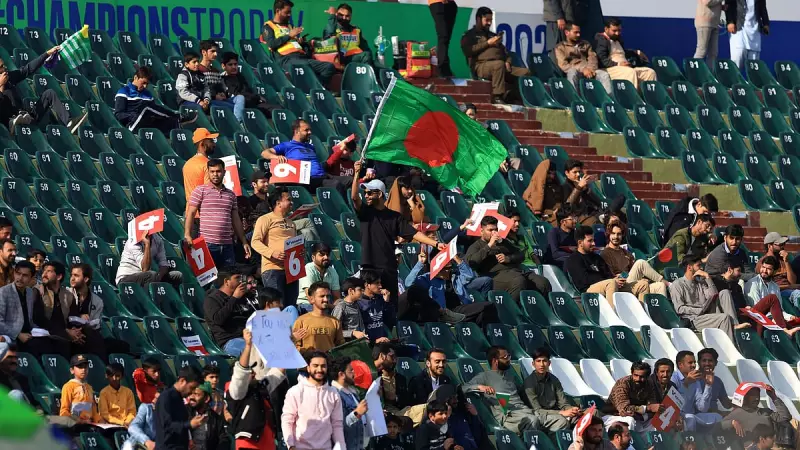
In a significant development in international cricket diplomacy, the Pakistan Cricket Board (PCB) has formally offered to host matches for the Bangladesh cricket team during the upcoming T20 World Cup. This proposal comes amid the Bangladesh Cricket Board's (BCB) firm stance of refusing to play its scheduled matches in India for the tournament.
PCB Backs BCB's Position in Formal Communication to ICC
The Pakistan Cricket Board has officially communicated its support for Bangladesh's position through a formal email sent to the International Cricket Council (ICC). In this correspondence, the PCB explicitly backed the Bangladesh Cricket Board's decision to decline playing their T20 World Cup matches in India, citing various concerns that have led to this diplomatic impasse in cricket relations.
Diplomatic Cricket Move Amid Regional Tensions
This development represents a notable diplomatic maneuver in South Asian cricket politics. The PCB's offer to host Bangladesh's matches serves multiple purposes:

- Providing an alternative venue for Bangladesh's participation in the prestigious tournament
- Demonstrating solidarity with Bangladesh's cricketing concerns
- Potentially influencing future tournament hosting arrangements in the region
- Creating new possibilities for cricket diplomacy between the two nations
The timing of this proposal is particularly significant as it comes during preparations for one of cricket's most important global tournaments. The T20 World Cup typically attracts massive international attention, making venue decisions and team participation matters of considerable importance for cricket boards worldwide.
Implications for Tournament Organization and Regional Cricket
This situation presents several challenges and opportunities for international cricket administration:
- Tournament Logistics: The ICC must now consider alternative arrangements for Bangladesh's matches if they proceed with their refusal to play in India.
- Regional Cricket Relations: This development could impact broader cricket diplomacy in South Asia, potentially influencing future bilateral series and tournament co-hosting arrangements.
- Precedent Setting: The outcome may establish important precedents for how cricket boards address political and diplomatic concerns affecting tournament participation.
- Fan Experience: Alternative hosting arrangements could affect travel plans and viewing opportunities for cricket enthusiasts following both teams.
The Bangladesh Cricket Board's original decision to refuse playing in India reportedly stems from various considerations that have been developing over time. While specific reasons haven't been publicly detailed in the latest communication, such decisions in international cricket often involve complex factors including security assessments, diplomatic relations, and logistical considerations.
Pakistan's offer to step in as an alternative host demonstrates the country's continued commitment to supporting fellow cricket-playing nations in the region. This move also highlights Pakistan's capabilities in hosting international cricket events, following their successful organization of various domestic and international tournaments in recent years.
The International Cricket Council now faces the task of mediating this situation while ensuring the smooth operation of the T20 World Cup. Their response to Pakistan's proposal and Bangladesh's position will be closely watched by cricket administrators, players, and fans across the globe, particularly in South Asia where cricket holds significant cultural and diplomatic importance.