Pakistan Considers Drastic T20 World Cup 2026 Boycott to Back Bangladesh
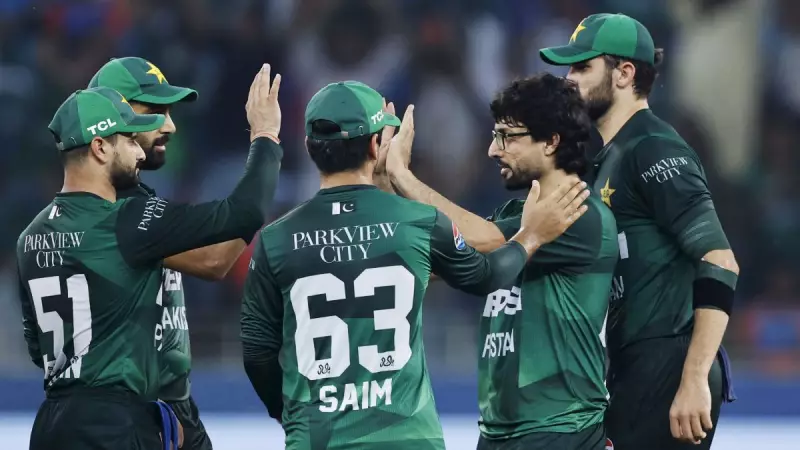
In a dramatic development that has sent shockwaves through the international cricket community, Pakistan Cricket Board (PCB) chairman Mohsin Naqvi has publicly revealed that Pakistan is prepared to boycott the T20 World Cup 2026. This unprecedented stance is being taken as a gesture of solidarity and support for Bangladesh, marking a significant escalation in the political dimensions that occasionally intersect with the sport.
Naqvi's Announcement and the Rationale Behind the Boycott Threat
Mohsin Naqvi, who has been at the helm of the PCB, made this revelation during a recent interaction, outlining the board's firm position. The decision to contemplate such a severe action—skipping one of cricket's premier global tournaments—underscores the depth of Pakistan's commitment to its cricketing relations with Bangladesh. While the specific grievances or issues prompting this show of support were not elaborated in detail, the announcement itself is a powerful political statement within the cricketing world.
This move is particularly notable given the context of the T20 World Cup, a flagship event organized by the International Cricket Council (ICC) that attracts massive viewership and participation from top cricketing nations. A boycott by Pakistan, a cricketing powerhouse with a rich history in the format, would not only impact the competitive balance of the tournament but also draw global attention to the underlying causes.

Potential Implications for International Cricket and Tournament Dynamics
The threat of a boycott carries several profound implications:
- Tournament Integrity: The absence of Pakistan would diminish the T20 World Cup 2026, as they are consistently strong contenders, having won the title in 2009 and frequently reaching the latter stages. Their withdrawal could alter group dynamics and reduce the event's overall prestige.
- ICC and Diplomatic Relations: Such a boycott places the ICC in a delicate position, potentially forcing the governing body to address the political concerns raised. It may also strain diplomatic relations among member nations, highlighting how cricket often mirrors broader geopolitical tensions.
- Fan and Commercial Impact: Pakistani fans are known for their passionate support, and their absence could lead to lower viewership and engagement in key matches. Sponsors and broadcasters might also face challenges, affecting the tournament's commercial success.
- Precedent for Future Actions: If Pakistan follows through, it could set a precedent for other nations to use boycotts as leverage in cricketing disputes, potentially destabilizing the international calendar.
Historical Context and Regional Cricket Politics
This is not the first instance where political issues have influenced cricket in the South Asian region. Historically, tours and matches between India, Pakistan, and Bangladesh have been affected by diplomatic strains, security concerns, and bilateral relations. Pakistan's stance may be viewed as part of this complex tapestry, where cricket serves as both a unifying force and a platform for expressing solidarity.
Bangladesh cricket has faced its own set of challenges, including administrative issues and performance fluctuations. Pakistan's support could be aimed at bolstering Bangladesh's position within the ICC or addressing specific grievances related to tournament hosting, revenue sharing, or other cricketing matters. However, without explicit details from Naqvi, the exact motivations remain speculative.
Looking Ahead: Uncertainties and Possible Resolutions
As of now, the boycott threat looms over the T20 World Cup 2026, scheduled to be hosted in India and Sri Lanka. Key stakeholders, including the ICC, other participating nations, and cricket boards, are likely to engage in behind-the-scenes discussions to avert a crisis. Potential resolutions could involve:

- Diplomatic Dialogues: High-level talks between the PCB, Bangladesh Cricket Board (BCB), and the ICC to address the core issues and find a mutually acceptable solution.
- Mediation Efforts: Involvement of neutral parties or former cricketers to mediate and de-escalate the situation, emphasizing the spirit of the game.
- Revised Tournament Plans: Adjustments to the tournament format or scheduling to accommodate concerns, though this may be logistically challenging.
In conclusion, Mohsin Naqvi's revelation has injected a significant dose of uncertainty into the lead-up to the T20 World Cup 2026. While Pakistan's solidarity with Bangladesh is clear, the broader impact on international cricket remains to be seen. Fans and analysts alike will be closely monitoring developments, hoping for a resolution that preserves the integrity and excitement of the sport.